| Отпусти Меня, Пожалуйста (original) | Отпусти Меня, Пожалуйста (translation) |
|---|---|
| Отпусти меня, пожалуйста, на море. | Let me go to the sea, please. |
| Отпусти меня хотя бы раз в году. | Let me go at least once a year. |
| Я там камушков зелененьких намою. | I'll wash the green pebbles there. |
| Или ракушек целехоньких найду… | Or I’ll find whole shells ... |
| Что-то камушков морских у нас не густо! | We don't have a lot of sea pebbles! |
| На Тверской среди зимы их не найти. | You won't find them on Tverskaya in the middle of winter. |
| А отпустишь — я и песенок негрустных | And let go - me and the song of sadness |
| Постараюсь со дна моря принести. | I will try to bring it from the bottom of the sea. |
| Отпусти меня, пожалуйста, на море. | Let me go to the sea, please. |
| В январе пообещай мне наперед. | Promise me in advance in January. |
| А иначе — кто же камушков намоет? | Otherwise, who will wash the pebbles? |
| Или песенок негромких подберет? | Or pick up soft songs? |
| Извини мои оборванные строки. | Excuse my broken lines. |
| Я поранилась, сама не знаю где. | I got hurt, I don't know where. |
| А поэты — это же единороги. | And poets are unicorns. |
| Иногда они спускаются к воде. | Sometimes they go down to the water. |
| Трудно зверю посреди страны запретов. | It is difficult for a beast in the middle of a country of prohibitions. |
| Кроме Крыма — больше моря не найти. | Apart from Crimea, there is no other sea to be found. |
| Только море еще любит нас, поэтов. | Only the sea still loves us poets. |
| А поэтов вообще-то нет почти. | And there are almost no poets. |
| Ах, достаточно румяных, шустрых, шумных. | Ah, enough ruddy, nimble, noisy. |
| Где-то там косая сажень, бровь дугой. | Somewhere there is an oblique sazhen, an arched eyebrow. |
| Но нет моих печальных полоумных — | But there are no my sad crazy ones - |
| Тех, что камушки катают за щекой. | Those that roll stones on the cheek. |
Translation of the song lyrics Отпусти Меня, Пожалуйста - Вероника Долина
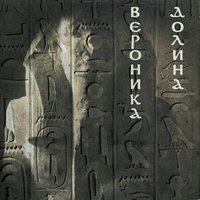
Song information On this page you can read the lyrics of the song Отпусти Меня, Пожалуйста , by -Вероника Долина
Song from the album: Фараон
In the genre:Русская авторская песня
Release date:31.12.2000
Song language:Russian language
Record label:Ism, SRR
Select which language to translate into:
Write what you think about the lyrics!
Other songs by the artist:
| Name | Year |
|---|---|
| 1986 | |
| 1986 | |
| 1986 | |
| 1986 | |
| 1998 | |
| 1992 | |
| 1994 | |
| 1999 | |
| 1986 | |
| 1986 | |
| 1986 | |
| 1986 | |
| 1986 | |
| 1986 | |
| 1986 | |
| 1999 | |
| 1986 | |
| 1995 | |
| 1986 | |
| 1992 |