| Капитан (original) | Капитан (translation) |
|---|---|
| Это случилось в далеких морях, от берега в сотне миль: | It happened in distant seas, a hundred miles from the coast: |
| Корабль наш, казалось застрял — был постоянно штиль. | Our ship seemed to be stuck - there was a constant calm. |
| А люди ждали ветра, волны, там были и те, что — бурь, | And people were waiting for the wind, waves, there were also those that are storms, |
| Но парус тряпкой висел, увы, и люди кляли судьбу. | But the sail hung like a rag, alas, and people cursed fate. |
| Правду, как правило, травят огнем, ее убивают. | Truth, as a rule, is poisoned with fire, it is killed. |
| И все ж, | And yet, |
| Когда капитан говорил: «Плывем», все знали, что это ложь. | When the captain said: "Let's swim," everyone knew that this was a lie. |
| А капитан изощренно лгал, чтоб меньше было забот, | And the captain subtly lied so that there would be fewer worries, |
| А тех, кто особенно много знал, капитан приказал: «За борт!» | And those who knew a lot, the captain ordered: "Overboard!" |
| Проигрыш. | Losing. |
| И чтобы другим неповадно впредь, было им решено: | And to discourage others from now on, it was decided by him: |
| Всех по каютам тотчас запереть, шторкой занавесить окно. | Lock everyone in their cabins at once, curtain the window. |
| А кто-то жадно тянулся к окну, а кто-то плевал на все, | And someone greedily reached for the window, and someone didn’t care about everything, |
| И каждый познал и пряник, и кнут, и каждый выбрал свое. | And everyone knew both the gingerbread and the whip, and everyone chose his own. |
| В мире не вечно ничто под луной, зависим все от судьбы, | Nothing in the world lasts forever under the moon, everything depends on fate, |
| И капитан ушел в мир иной — он тоже не вечен был. | And the captain went to another world - he, too, was not eternal. |
| И годы стали вестей старей один капитан за другим, | And the years became older, one captain after another, |
| И каждый твердил: «Мы движемся к цели», но все понимали — стоим. | And everyone kept saying: “We are moving towards the goal”, but everyone understood that we were standing. |
| Проигрыш. | Losing. |
| Однажды весенним солнечным днем другой капитан взял штурвал, | One sunny spring day, another captain took the helm, |
| Все думали — новый скажет: «Плывем» — он этого не сказал. | Everyone thought - the new one would say: "We are sailing" - he did not say this. |
| Зато он сказал: «Дальше так нельзя! | But he said: “You can’t go on like this! |
| Уж если хотим идти, | If we want to go |
| Каждому нужно весла взять и научиться грести.» | Everyone needs to take the oars and learn to row.” |
| И наш корабль потихоньку пошел, и штиль уже — не беда, | And our ship slowly set off, and calm is no longer a problem, |
| И каждый понял, что хорошо грести, а не ветра ждать. | And everyone understood that it was good to row, and not to wait for the wind. |
| И хоть наш корабль тихоходным слыл, но, главное, я понял там — | And although our ship was reputed to be slow, but, most importantly, I understood there - |
| Когда корабль не может плыть, в этом виноват капитан. | When a ship cannot sail, the captain is to blame. |
| Проигрыш. | Losing. |
| И хоть наш корабль тихоходным слыл, но, главное, я понял там — | And although our ship was reputed to be slow, but, most importantly, I understood there - |
| Когда корабль не может плыть, в этом виноват капитан! | When a ship can't sail, it's the captain's fault! |
Translation of the song lyrics Капитан - Владимир Кузьмин
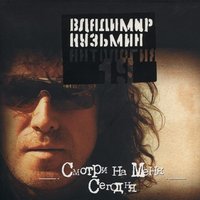
Song information On this page you can read the lyrics of the song Капитан , by -Владимир Кузьмин
Song from the album: Антология 19: Смотри на меня сегодня
In the genre:Русская эстрада
Release date:31.12.2002
Song language:Russian language
Record label:Первое музыкальное
Select which language to translate into:
Write what you think about the lyrics!
Other songs by the artist:
| Name | Year |
|---|---|
| 2016 | |
| 2002 | |
| 2002 | |
| 2002 | |
| 2002 | |
| 2002 | |
| 2002 | |
| 2002 | |
| 2002 | |
| 2015 | |
| 2002 | |
| 2002 | |
| 2002 | |
| 2002 | |
| 2002 | |
| 2002 | |
| 2002 | |
| 2002 | |
| 2002 | |
| 2002 |