| Requiem rozbiorowe (original) | Requiem rozbiorowe (translation) |
|---|---|
| Pamięć moja — ponurej natury: | My memory - of a gloomy nature: |
| Nie chce wskrzeszać soczystych rozkoszy, | I don't want to revive juicy delights, |
| Nie rozczuli jej flet, | They did not feel her flute, |
| Nie rozrusza tamburyn, | The tambourine will not start |
| Płoche szczęście ją peszy i płoszy. | A faint happiness scares her and scares her away. |
| Pamięć moją ożywia żałoba, | My memory is animated by mourning, |
| Lecz — nie płaczka rozpaczą podniosła, | But - not crying raised up despair, |
| Tylko wściekły ten wstyd, | Only furious this shame |
| Co się szwenda po grobach, | What is wandering around the graves, |
| Które lepka pleśń legend porosła. | Which the sticky mold of legends had grown up. |
| Jeśli grzmiące obrzędy bezcześci, | If the thunderous rites are profane, |
| Jeśli babrze się w szczątkach wstydliwych — | If it is creeping up in shameful remains - |
| To nie po to, by mieć | It's not to have |
| Nośny temat do pieśni, | A bearing theme for a song, |
| Lecz by wstyd — był ostrogą - dla żywych | But that shame - be a spur - for the living |
| II | II |
| Głos II: | Voice II: |
| Na śniadaniu u Carycy | At breakfast at the Tsaritsa |
| Sutą dzieli się potrawę; | The food is divided with the suta; |
| Pertraktują biesiadnicy | The revelers are negotiating |
| Komu jaki kęs i skrawek. | Who needs a bite and a scrap. |
| Temu galicyjski połeć, | To this Galician sex, |
| Temu — wielkopolski gryz; | Temu - wielkopolski gryz; |
| Monarchini żre nad stołem | The monarch is eating over the table |
| Schab «Polonia á la russe» | Pork loin «Polonia á la russe» |
| Chór: | Choir: |
| Nie przystroi się garnirem | It will not decorate itself with a potter |
| Za to krwistym sosem lśni, | But it shines with a bloody sauce, |
| Dies irae, dies irae | Dies irae, dies irae |
| Idą na nią gniewu dni. | The days of anger are coming upon her. |
| Uczta w imię Trójcy Świętej | Feast in the name of the Holy Trinity |
| Oświeconych autokratów | Enlightened autocrats |
| Potwierdzona dokumentem | Confirmed by a document |
| Co posiada moc traktatu. | What is the power of a treaty. |
| Nie ma to, jak pełna miska | Nothing like a full bowl |
| Do dyplomatycznej gry, | To the diplomatic game, |
| Choć wątpliwy na niej przysmak: | Although a dubious delicacy on it: |
| Kapuściane polskie łby. | Polish cabbage heads. |
| Chór: | Choir: |
| Zaraz się nad nimi schylą | They will bend over them soon |
| Żeby im upuścić krwi | To bleed them |
| Dies irae, dies irae | Dies irae, dies irae |
| Idą na nią gniewu dni. | The days of anger are coming upon her. |
| Polska karczma wciąż pijana | Polish inn still drunk |
| Od swych obłąkańczych swar, | From his insane quarrels, |
| Polska pana i plebana | Poland of the lord and the parish priest |
| Zatopiona w chamski gwar. | Immersed in the rude buzz. |
| Bizantyjski na niej przepych | Byzantine splendor on it |
| Azjatycki na niej brud. | Asian dirt on it. |
| Więc się do trzech par rąk lepi | So three pairs of hands are sticky |
| I potrójny syci głód. | And triple feeds with hunger. |
| Chór: | Choir: |
| Nie powlecze jej nikt kirem | Nobody can put a crayon on her |
| Nie uroni nad nią łzy | He will not shed a tear over her |
| Dies irae, dies irae | Dies irae, dies irae |
| Idą na nią gniewu dni. | The days of anger are coming upon her. |
| III | III |
| Głos II: | Voice II: |
| Śpijcie spokojnie ojcowie i matki | Sleep well, fathers and mothers |
| Naszego «ja" — co tak dziś niewyraźne. | Our "I" - what is so blurred today. |
| Już poza wami żywotów przypadki | Already beyond you lives cases |
| I wybór między zbawieniem, a kaźnią. | And the choice between salvation and punishment. |
| Was nic już więcej obchodzić nie musi | You don't have to worry about anything anymore |
| Dotknięci życiem — snujcie śmierci smutek. | Afflicted by life - weave sorrow for death. |
| To nam spuściznę dziwną czas wykrztusił, | It is a strange legacy that time choked out, |
| Niewymienialną na żadną walutę. | Not convertible into any currency. |
| Chór: | Choir: |
| Śpijcie — wy poza dobrem, poza złem | Sleep - you beyond good, beyond evil |
| Requiem. | Requiem. |
| Głos I: | Voice I: |
| Śpijcie spokojnie — zdradzeni, zsyłani, | Sleep well - betrayed, sent, |
| Mięso eposów skomlące o sens; | The meat of the epics whining for meaning; |
| Straceńcy, stróże niewidzialnych granic | Destroyers, keepers of invisible borders |
| Powyznaczanych majestatem klęsk. | Marked by the majesty of disasters. |
| Niech was nie budzą skrzekliwe capstrzyki, | Don't let screeching tattoos wake you up, |
| Parady, werble, rocznicowe msze; | Parades, drums, anniversary masses; |
| Szare — z ołowiu sumień - żołnierzyki, | Gray - lead consciences - soldiers, |
| Grzechot w pudełku pamięci, na dnie! | A rattling in the memory box, at the bottom! |
| Chór: | Choir: |
| Śpijcie — już poza dobrem, poza złem | Sleep - already beyond good, beyond evil |
| Requiem. | Requiem. |
| Głos II: | Voice II: |
| Śpijcie spokojnie — skrytym zdradom wierni, | Sleep well - faithful to hidden betrayals, |
| Za bezcen strachu swej pychy kupieni, | For a little fear of my pride bought, |
| Karni dzierżawcy cmentarnej guberni, | Penal leaseholders of the cemetery governorate, |
| Hetmańskich buław, biskupich pierścieni. | Hetman's maces, episcopal rings. |
| Nikt wam już dzisiaj nie pohańbi mogił; | No one will disgrace your graves today; |
| Sąd ostateczny odległy, niepewny, | The final judgment is distant, uncertain, |
| Nieprzeliczone zapomnienia drogi, | Countless forgetfulness of the road, |
| Bóg dobrotliwy, człowiek — krótko gniewny. | God kind, man - briefly angry. |
| Chór: | Choir: |
| Śpijcie — znów poza dobrem, poza złem | Sleep - beyond good again, beyond evil |
| Requiem. | Requiem. |
| Głos I: | Voice I: |
| Śpijcie spokojnie — mędrcy przenikliwi, | Sleep well - wise men, |
| Żonglerzy światła, tak bezsilnie świetni, | Jugglers of the light, so helplessly great |
| Że nawet temu niezdolni się dziwić, | That they can't even be surprised |
| Gdy próchnem w mroku świeci ból szlachetny. | When a noble pain shines in the dark with decay. |
| Wszystkoście z góry najlepiej wiedzieli, | You all knew best in advance |
| Lecz nie zdołali niczemu zapobiec: | But they failed to prevent anything: |
| Naładowana broń - co nie wystrzeli, | Loaded weapons - what will not fire, |
| Bo ma na ścianie wisieć ku ozdobie. | Because it is supposed to hang on the wall as a decoration. |
| Chór: | Choir: |
| Śpijcie więc, poza dobrem, poza złem | So sleep, beyond good, beyond evil |
| Requiem. | Requiem. |
| Głos II: | Voice II: |
| I ty spokojnie śpij, bezkształtny tłumie | And you sleep peacefully, shapeless crowd |
| Analfabetów o zwichniętych karkach, | Illiterates with dislocated necks |
| Którego grozy nigdy nie zrozumie | Whose horror he will never understand |
| Mędrzec, wojownik, skazaniec ni zdrajca. | A wise man, a warrior, a convict and a traitor. |
| Śpij, boś też myślał, walczył, i też zdradzał; | Sleep, because you also thought, fought and also cheated; |
| Czemu byś lepszy miał być niż te tuzy, | Why would you be better than this big man |
| Dla których człowiek, wiara, rozum, władza | For whom man, faith, reason, power |
| Do tego tylko, by im służyć - służy! | Only to serve them - it serves! |
| Głos I i II: | Voice I and II: |
| Śpij wstrzymywany dobrem, gnany złem | Sleep hindered by good, driven by evil |
| Requiem. | Requiem. |
| IV Chór: | IV Choir: |
| Jesteśmy — jacy jesteśmy | We are - who we are |
| Byliśmy — jacyśmy byli | We were - what we were |
| Tę prawdę o sobie unieśmy | Let us lift this truth about ourselves |
| W tej krótkiej, danej nam chwili. | In this short moment given to us. |
| Będziemy — jacy zechcemy | We will be - whatever we want |
| Byle wiedzieć nam — czego chcieć, | As long as we know - what to want, |
| Lecz — nie wiemy — czego nie wiemy, | But - we don't know - what we don't know |
| Więc nie mamy — co chcemy mieć. | So we don't have - what we want to have. |
| Mogliśmy, czego nie wolno, | We could, what is not allowed |
| Co wolno — nie chcemy móc. | What is allowed - we don't want to be. |
| Wolimy niewolę niż wolność, | We prefer bondage to freedom |
| W której nie ma o co łbem tłuc. | In which there is nothing to beat your head against. |
| Więc będziemy — jacyśmy byli, | So we will be - what we were, |
| Więc jesteśmy — a jakby nas brak | So we are - and as if we are missing |
| W tej krótkiej danej nam chwili, | In this short moment given to us, |
| Której jutro nie będzie i tak… | Which will not be tomorrow anyway ... |
| Głos I: | Voice I: |
| Tym, co w szkarłatach, tym w kazamatach, | What is in scarlet, in the casemates, |
| Tym, co w kapturach i tym na sznurach, | What is in the hoods and in the strings, |
| Tym, co w powozach i tym w powrozach | What is in the carriages and in the ropes |
| Chór: | Choir: |
| Lacrimosa. | Lacrimosa. |
| Nie mamy rąk — mamy łapy, | We don't have hands - we have paws, |
| Nie mamy głów — mamy łby. | We have no heads - we have heads. |
| Dlatego dla nas ochłapy, | Therefore, scraps for us, |
| Dlatego po nas — łzy. | Therefore, after us - tears. |
| Głos II: | Voice II: |
| Tym w dumnej pozie i tym w pokorze, | The one in a proud pose and the one in humility, |
| Tym, co w koszarach i tym w koszmarach, | What in the barracks and in the nightmares, |
| Tym, co w przestworzach i tym w obozach — | What in the skies and in the camps - |
| Chór: | Choir: |
| Lacrimosa. | Lacrimosa. |
| Nie mamy snów — lecz majaki, | We have no dreams - but dreams, |
| Nie mamy myśli — lecz szał, | We have no thoughts - but frenzy, |
| Dlatego los byle jaki, | Therefore, any fate, |
| Dlatego głos łka, jak łkał. | That is why the voice is weeping as it has sobbed. |
| Głos I: | Voice I: |
| Tym — złote zboża, tym — ostrze noża. | This - the golden grain, the - the blade of the knife. |
| Tym — szlak po płozach, tym — szlam bezdroża, | Including - a trail on a runner, the - slime of the wilderness, |
| Tym — łaska boża, tym — trwożna groza | This - God's grace, this - fearful terror |
| Chór: | Choir: |
| Lacrimosa. | Lacrimosa. |
| Nie mamy wiary, lecz złudy, | We have no faith but delusions |
| Za dzieje nasze — zbiór klechd. | For our history - a collection of klechd. |
| Dlatego trwać będą trudy | Therefore, the hardships will continue |
| Nasz własny płacz i z nas śmiech. | Our own cry and laughter at us. |
Translation of the song lyrics Requiem rozbiorowe - Jacek Kaczmarski, Zbigniew Łapiński, PRZEMYSŁAW GINTROWSKI
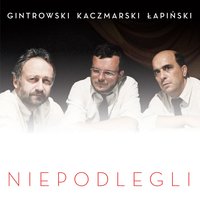
Song information On this page you can read the lyrics of the song Requiem rozbiorowe , by -Jacek Kaczmarski
Release date:08.11.2018
Song language:Polish
Select which language to translate into:
Write what you think about the lyrics!
Other songs by the artist:
| Name | Year |
|---|---|
Mury ft. Zbigniew Lapinski, Przemyslaw Gintrowski | 2002 |
| 2005 | |
| 2014 | |
| 2005 | |
Kantyczka z lotu ptaka ft. Zbigniew Lapinski, Przemyslaw Gintrowski | 2002 |
Koniec wojny 30-letniej ft. Zbigniew Lapinski, Przemyslaw Gintrowski | 2002 |
| 2014 | |
| 2005 | |
| 2014 | |
| 1994 | |
| 1994 | |
| 1994 | |
Ja ft. Zbigniew Lapinski, Przemyslaw Gintrowski | 2002 |
Włóczędzy ft. Zbigniew Lapinski, Przemyslaw Gintrowski | 2002 |
Portret zbiorowy we wnętrzu - Dom opieki ft. Zbigniew Lapinski, Przemyslaw Gintrowski | 2002 |
| 2014 | |
| 2014 | |
| 2014 | |
Poranek ft. Zbigniew Lapinski, Przemyslaw Gintrowski | 2002 |
| 2014 |