| Sieviete No Nabagu Ielas (original) | Sieviete No Nabagu Ielas (translation) |
|---|---|
| Kā pamesta mašīna lielceļa malā | As an abandoned car on the side of the highway |
| Kā māja bez logiem un rūtīm | As a house without windows and windows |
| Stāv sieviete ostmalas kvartāla galā | There is a woman at the end of the quay |
| Ar lielām un apaļām krūtīm | With big and round breasts |
| Tai garām iet bērni ar šķelmīgu skatu | Children with a smashing view pass by |
| Un izliekas neredzam viņu | And pretend not to see him |
| Iet vīri uz darbu un līdzi velk ratus | The men go to work and pull the cart with them |
| Un netīru sirdsapziņu | And a dirty conscience |
| Bet sieviete smejas, ko vairāk lai saka | But the woman laughs, more to say |
| Tā sieviete taču ir galīgi traka | But that woman is completely insane |
| Tai acīs mirdz laime un nav tajās mieles | Happiness shines in her eyes and there is no yeast in them |
| Stāv sieviete skaista uz Nabagu ielas | Standing woman beautiful on Nabagu Street |
| Ko vispār šī pasaule zina par dzīvi | What does this world know about life in general? |
| Neviens taču negribēs stāstīt | But no one will want to tell |
| Ko nozīmē dzīvot kā klaidonim brīvi | What it means to live like a stroller freely |
| Un pusnaktī rensteles glāstīt | And at midnight renstels caress |
| Kā pamesta mašīna sadurtām riepām | As an abandoned machine for punctured tires |
| Stāv liktenis lilceļa malā | Fate stands by the side of the railway |
| Un nenorimst vēji zem tumšajām lipām | And the winds do not subside under the dark flags |
| Pat tad, kad šī dziesma ir galā | Even when this song is over |
Translation of the song lyrics Sieviete No Nabagu Ielas - Раймонд Паулс, bet bet
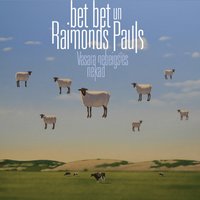
Song information On this page you can read the lyrics of the song Sieviete No Nabagu Ielas , by -Раймонд Паулс
Song from the album: Vasara Nebeigsies Nekad
In the genre:Поп
Release date:03.09.2015
Song language:Latvian
Record label:Mikrofona Ieraksti
Select which language to translate into:
Write what you think about the lyrics!
Other songs by the artist:
| Name | Year |
|---|---|
| 1999 | |
| 2016 | |
| 2013 | |
| 1999 | |
| 2013 | |
| 1999 | |
| 1999 | |
| 2015 | |
| 1999 | |
| 2013 | |
| 1999 | |
| 1999 | |
| 1999 | |
| 2014 | |
| 2013 | |
| 2005 | |
| 2013 | |
| 2005 | |
| 2014 | |
| 2004 |