| Hesap Vakti (original) | Hesap Vakti (translation) |
|---|---|
| Hesap vakti gelmişti | It's time for reckoning |
| Tarih alışkanlığından vazgeçecek | History will give up its habit |
| Kimsiz, kimliksiz, kişiliksiz kalanlar | Those who remain without a person, without an identity, without an identity |
| Şimdi kendi yazgılarını yazacaklar | Now they will write their own destinies |
| Ne ezen olmalıydı, ne ezilen | What should be the oppressor, what the oppressed |
| Her ulus kendi bağımsızlığını kendisi yaratacak | Each nation will create its own independence |
| Eğer siz bu işleri başkaları adına yaparsanız | If you do these things for others |
| Bunun adına emperyalizm denir | It's called imperialism. |
| Oysa biz emperyalizmi kahretmeye geliyoruz | However, we are coming to destroy imperialism. |
| Hakimiyet milletindir dediğimde acaba ne anlıyorlardı? | What did they understand when I said that sovereignty belongs to the nation? |
| Ama anlayacaklardı | But they would understand |
| Savaştıkça anlayacaklardı | The more they fought, the more they would understand |
| Kazandıkça anlayacaklardı | When they won, they would understand |
| Bir gün ressamlar kahramanlık yüzünü kaybederlerse | If one day painters lose their heroic face |
| Gitsinler Yıldırım’ın resmini yapsınlar | Let them go and paint Yildirim's picture |
| Aksak Timur şimdi yaşasaydı | If Aksak Timur was alive now |
| Belki de aynı şeyi yapacaktı | Maybe he would do the same |
| Şu gencecik çocuklara bak | Look at these young kids |
| Yeni Zelandalı, Avusturalyalı, Anzak ve Yunan için | For New Zealander, Australian, Anzac and Greek |
| Anlamsız bir savaşın garip mezar taşları değiller mi? | Aren't they the strange tombstones of a meaningless war? |
| İşte şimdi bizden öğrenecekler | Now they will learn from us |
| Özgürlüğün ne olduğunu | what freedom is |
| Bağımsızlığın ne olduğunu | What is independence |
| İçleri rahat, yanı başımızdaki mezarlarda | They are at ease, in the graves next to us |
Translation of the song lyrics Hesap Vakti - Fikret Kızılok
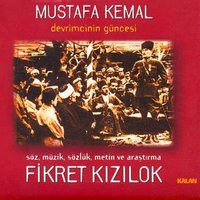
Song information On this page you can read the lyrics of the song Hesap Vakti , by -Fikret Kızılok
Song from the album: Mustafa Kemal Devrimcinin Güncesi
In the genre:Иностранная авторская песня
Release date:12.01.1999
Song language:Turkish
Record label:KALAN SES GÖRÜNTÜ
Select which language to translate into:
Write what you think about the lyrics!
Other songs by the artist:
| Name | Year |
|---|---|
| 2018 | |
| 1995 | |
| 1993 | |
| 2019 | |
| 1993 | |
| 1993 | |
| 1999 | |
| 1999 | |
| 1999 | |
| 2006 | |
| 1972 | |
| 2006 | |
| 1999 | |
| 2006 | |
| 1999 | |
| 1999 | |
| 1999 | |
| 1999 | |
| 1970 | |
| 2008 |