| Korydwen et le rouge de Kenholl (original) | Korydwen et le rouge de Kenholl (translation) |
|---|---|
| Korydwen, Korydwen, pourquoi t’en être allée au premier jour de mai de ta | Korydwen, Korydwen, why did you go away on the first day of May from your |
| quinzième année, | fifteenth year, |
| Fillette païenne, couronnée d'épis de blé. | Pagan girl, crowned with ears of corn. |
| à la fraîche fontaine, | at the cool fountain, |
| dans le bois aux sorbiers? | in the mountain ash wood? |
| De s’en venir de Vannes trois hommes, trois cavaliers, au Pardon de Sainte Anne | To come from Vannes three men, three horsemen, to the Pardon de Sainte Anne |
| s’en allant chevaucher, | going to ride, |
| De Sainte Anne près de Nantes, sur un rocher dressé. | From Sainte Anne near Nantes, on an upright rock. |
| Et Korydwen d’entendre les | And Korydwen to hear the |
| cloches sonner. | bells ring. |
| Le premier des cavaliers, de pierreries couronné. | The first of the horsemen, jeweled crowned. |
| cheval blanc comme est blanc | white horse as is white |
| le marbre de Carrare en été. | Carrara marble in summer. |
| A Sainte Anne, belle païenne je t’y mènerai. | To Sainte Anne, beautiful pagan, I will take you there. |
| Viens donc, viens donc en selle, | Come on, come on in the saddle, |
| mais il n’eut achevé | but he had not finished |
| Que sa peau tombe en lanières sur son corps tout desséché et qu’en gargouille | Let her skin fall in strips over her withered body and gurgle |
| de pierre soudain se trouve changé | stone suddenly finds himself changed |
| Et ses bras en poussière comme tombent ses deux pieds, et de ses cendres | And his arms to dust as his two feet fall, and from his ashes |
| cendres grises, la fontaine est brouillée. | gray ashes, the fountain is blurred. |
| Plongeant l'épée dans l’Eve, le second des cavaliers rendit claire la source et | Plunging the sword into Eve, the second of the horsemen made clear the source and |
| plus fraîche d’emblée. | immediately fresher. |
| D’une tortue la tête ornait son casque d’acier, ses écailles recouvraient sa | A turtle's head adorned his steel helmet, his scales covered his |
| cuirasse cirée. | waxed cuirass. |
| — Qui es-tu, dit Korydwen? | "Who are you," said Korydwen? |
| — Bathalan le guerrier! | "Bathalan the Warrior!" |
| Je suis le fils de la vague et de l’océan suis né. | I am the son of the wave and the ocean was born. |
| Mais l’océan ne fait naître que sirène ou bien que sorcier. | But the ocean only brings forth a mermaid or a wizard. |
| Au Pardon de Sainte | Forgiveness of Saint |
| Anne jamais ne te suivrai! | Anne will never follow you! |
| De la fraîche fontaine au troisième des cavaliers, Korydwen dans sa bouche de | From the cool fountain to the third of the horsemen, Korydwen in her mouth of |
| l'ève claire a versé. | clear eve poured. |
| — Tu es jeune et tes yeux sont de jade émaillé, de quel pays viens-tu sur ta | "You are young and your eyes are glazed jade, what country are you from on your |
| pourpre haquenée? | hackneyed purple? |
| — D'où je viens sept moulins tournent dans les vents salés qui font ma barbe | "Where I come from seven mills turn in the salty winds that make my beard |
| rose comme rose du rosier. | pink as the rose of the rosebush. |
| On me nomme le Rouge à Kenholl où je suis né. | They call me the Red in Kenholl where I was born. |
| Au Pardon de Sainte Anne, | Forgiveness of Saint Anne, |
| je m’en viens pour te mener! | I come to lead you! |
| Et de bondir tous les deux dessus la pourpre haquenée. | And both of them pounce on the hackneyed purple. |
| Sonnaient sonnaient | were ringing were ringing |
| sonnaient les cloches par devers Nantes au clocher. | the bells rang from Nantes to the steeple. |
| De chevaucher trois jours et deux nuits sans s’arrêter, sans boire et sans | To ride three days and two nights without stopping, without drinking and without |
| manger, de collines en vallées. | eat, from hills to valleys. |
| Mais Korydwen s'étonne à la troisième soirée. | But Korydwen is surprised on the third night. |
| -Je n’entends plus qu'à peine les | -I can barely hear the |
| cloches sonner. | bells ring. |
| — Ce n’est rien, dit Le Rouge, le vent a dû tourner. | "It's nothing," Le Rouge said, "the tide must have turned." |
| Viens. | Come. |
| païenne, | pagan, |
| sur ma couche de paille de blé… | on my layer of wheat straw... |
| Et ils repartent au matin dessus la folle haquenée et ils traversent des forêts | And they set off again in the morning over the crazy hackney and they cross forests |
| de bois de cerfs dressés, | of upright deer antlers, |
| Et plus vertes que sont les algues et que d’Irlande les prés, sans boire et | And greener than the seaweed and the meadows of Ireland, drinkless and |
| sans manger, trois jours deux nuits sans s’arrêter. | without eating, three days two nights without stopping. |
| Mais! | But! |
| Korydwen s'étonne à la sixième soirée.-Je n’entends plus les cloches du | Korydwen wonders at the sixth evening.-I no longer hear the bells of the |
| Pardon sonner! | Sorry ringing! |
| -Tu te trompes Korydwen, tu te trompes ma bien-aimée; | -You are wrong Korydwen, you are wrong my beloved; |
| c’est le vent qui est | it is the wind that is |
| tombé. | grave. |
| Il est tard, allons nous coucher. | It's late, let's go to bed. |
| Korydwen s'éveille à la septième rosée, elle est seule sur la couche de paille | Korydwen wakes at the seventh dew, she is alone on the straw bed |
| de blé, | wheat, |
| A la place du Rouge elle découvre à son côté des serpents et un miroir brisé. | Instead of the Red she finds snakes and a broken mirror beside her. |
| Et Korydwen d’y plonger son regard pour le croiser, mais le visage qui lui fait | And Korydwen to gaze into it to meet him, but the face that makes him |
| face de la faire sursauter, | face of startling her, |
| C’est celui d’une vieille femme d’au moins cent et dix années dont les serpents | It is that of an old woman at least a hundred and ten years old whose snakes |
| dévorent les pauvres seins déchirés. | devour the poor torn breasts. |
| Et Korydwen de voir son maigre sang couler, et la terre de boire et sa mort | And Korydwen to see his meager blood flow, and the earth to drink and his death |
| arriver. | arrive. |
| Et de son ventre froid soudain s’envole un épervier qui plonge dans la Loire, | And from its cold belly suddenly flies a sparrow hawk that dives into the Loire, |
| en saumon enchanté. | in enchanted salmon. |
Translation of the song lyrics Korydwen et le rouge de Kenholl - Tri Yann
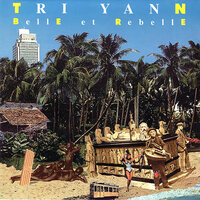
Song information On this page you can read the lyrics of the song Korydwen et le rouge de Kenholl , by -Tri Yann
Song from the album: Belle et rebelle
In the genre:Фолк-рок
Release date:05.03.2020
Song language:French
Record label:Mercury
Select which language to translate into:
Write what you think about the lyrics!
Other songs by the artist:
| Name | Year |
|---|---|
| 2010 | |
| 2010 | |
| 2010 | |
| 2010 | |
| 2012 | |
| 2012 | |
| 2010 | |
| 2009 | |
| 2010 | |
| 2010 | |
| 2009 | |
| 2010 | |
| 2009 | |
| 2010 | |
| 2009 | |
| 2010 | |
| 2010 | |
| 2010 | |
| 2010 | |
| 2009 |