| Ветеран (original) | Ветеран (translation) |
|---|---|
| В прибывающий поезд не нужен билет и уже обнимаю с разбега | I don’t need a ticket for the arriving train and I’m already hugging from the running |
| Ветерана с войны девятнадцати лет на исходе двадцатого века. | Veteran from the Nineteen Years' War at the end of the twentieth century. |
| Он мальчишка лицом, он со мной как с отцом, по жилому шагает Арбату. | He is a boy with a face, he is with me as with a father, he is walking along the Arbat. |
| Нам удобней пешком, он был лучшим дружком моему не пришедшему брату. | It’s more convenient for us on foot, he was the best friend of my brother who didn’t come. |
| Он был лучшим дружком моему не пришедшему брату. | He was the best friend of my brother who did not come. |
| И про то, кем был брат, и про джалаламат, и про цель на радарном экране | And about who the brother was, and about jalalamat, and about the target on the radar screen |
| Он рассказывать рад, но ударил набат на Кремлёвском Великом Иване. | He is glad to tell, but the alarm sounded on the Kremlin Veliky Ivan. |
| Медный колокол бил, будто небо рубил, будто голуби звуки взлетали. | The copper bell beat as if it was chopping the sky, as if the sounds of doves were flying up. |
| Был обуглен закат, и рекламный Арбат отражался на белой медали. | The sunset was charred, and the advertising Arbat was reflected on the white medal. |
| Был обуглен закат, и рекламный Арбат отражался на белой медали. | The sunset was charred, and the advertising Arbat was reflected on the white medal. |
| И сказал он в тоске: «Как красиво в Москве, и куда ни взгляни — пьедесталы, | And he said in anguish: “How beautiful it is in Moscow, and everywhere you look there are pedestals, |
| Пьедесталы подряд, ну, а там для ребят только скалы, одни только скалы. | Pedestals in a row, well, but for the guys there are only rocks, only rocks. |
| Если где-то война, значит, чья-то вина, мы её на себя перепишем». | If there is a war somewhere, then it is someone else's fault, we will rewrite it on ourselves." |
| Он был старше судьбой не на год, так на бой, из которого брат мой не вышел. | He was older by fate not by a year, but by the battle, from which my brother did not come out. |
| Он был старше судьбой не на год, так на бой, из которого брат мой не вышел. | He was older by fate not by a year, but by the battle, from which my brother did not come out. |
| В прибывающий поезд не нужен билет и уже обнимаю с разбега | I don’t need a ticket for the arriving train and I’m already hugging from the running |
| Ветерана с войны девятнадцати лет на исходе двадцатого века. | Veteran from the Nineteen Years' War at the end of the twentieth century. |
| Был проездом иль нет, и смотрел я во след, и качался вагон, как калека. | Whether I was passing through or not, I looked in the wake, and the carriage swayed like a cripple. |
| Ветерану войны девятнадцати лет я желал двадцать первого века. | For a nineteen-year-old war veteran, I wished for the twenty-first century. |
| Он был старше судьбой не на год, так на бой, из которого брат мой не вышел. | He was older by fate not by a year, but by the battle, from which my brother did not come out. |
Translation of the song lyrics Ветеран - Александр Маршал
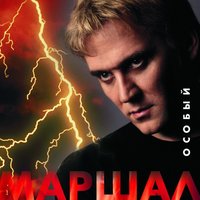
Song information On this page you can read the lyrics of the song Ветеран , by -Александр Маршал
In the genre:Русский рок
Release date:29.06.2001
Song language:Russian language
Select which language to translate into:
Write what you think about the lyrics!
Other songs by the artist:
| Name | Year |
|---|---|
| 2016 | |
| 2008 | |
| 2009 | |
| 2023 | |
| 2018 | |
| 2023 | |
| 2017 | |
| 1999 | |
| 2019 | |
| 2012 | |
| 2012 | |
| 2013 | |
| 2000 | |
| 2008 | |
| 2013 | |
| 1999 | |
| 2006 | |
| 2023 | |