| Ora Vai (original) | Ora Vai (translation) |
|---|---|
| Quem põe o pé na rua, manhãzinha | Who sets foot on the street, early in the morning |
| Tropeça após um curto passo dado | Stumbles after a short step taken |
| Na estafa que nos dá esta vidinha | In the fatigue that gives us this little life |
| Que corre, sabe Deus para que lado | That runs, God knows which way |
| E logo é ver quem vai mais apressado | And then it's time to see who goes faster |
| Veloz, que o autocarro passa cheio | Fast, the bus goes by full |
| E sempre o fim do mês chega atrasado | And always the end of the month comes late |
| Ao bolso que já está menos de meio | To the pocket that is already less than half |
| O homem do quiosque dos jornais | The man from the newspaper kiosk |
| Não fia nem noticias nem bons dias | Don't trust news or good days |
| Que o pouco que hoje leu já é demais | That the little you read today is already too much |
| E há muito que não vai em lotarias | And there's a lot that doesn't go to lotteries |
| O crime vai mudando de estatuto | The crime changes its status |
| Vagueia entre o temido e o banal | Wanders between the dreaded and the banal |
| Enquanto não nos toca ele é só furto | As long as it doesn't touch us, it's just theft |
| Assim que nos ataca ele é fatal | As soon as he attacks us he is fatal |
| Lá p’ro meio do dia em vez da sesta | Around the middle of the day instead of the siesta |
| Almoça-se de pé e é se tanto | You have lunch standing up and it's |
| Tentando que o minuto que nos resta | Trying that the minute we have left |
| Possa ainda esticar p´ra ir ao banco | Can still stretch to go to the bank |
| Não sei se é uma bênção ou ironia | I don't know if it's a blessing or irony |
| Ouvir ao fim do dia alguém dizer | Hearing at the end of the day someone say |
| A frase apressada e fugidia: | The hasty and escape phrase: |
| «Então até amanha se Deus quiser»! | «Then see you tomorrow if God willing»! |
Translation of the song lyrics Ora Vai - Mafalda Arnauth
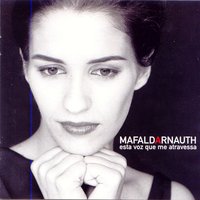
Song information On this page you can read the lyrics of the song Ora Vai , by -Mafalda Arnauth
Song from the album: Esta Voz Que Me Atravessa
In the genre:Поп
Release date:04.03.2001
Song language:Portuguese
Record label:Parlophone Music Portugal
Select which language to translate into:
Write what you think about the lyrics!
Other songs by the artist:
| Name | Year |
|---|---|
| 2013 | |
| 2013 | |
| 2003 | |
| 2003 | |
| 1999 | |
| 1999 | |
| 2003 | |
| 2003 | |
| 2013 | |
| 1999 | |
| 2003 | |
| 2003 | |
| 2003 | |
| 2013 | |
| 2013 | |
| 2003 | |
| 2013 | |
| 2013 | |
| 2013 | |
| 2013 |