| L'uomo muore (original) | L'uomo muore (translation) |
|---|---|
| Gente silenziosa si prepara per un rito | Silent people prepare for a ritual |
| Senza precedenti nella storia | Unprecedented in history |
| Non si sa nemmeno se abbia un nome il condannato | It is not even known if the condemned man has a name |
| Un’immolazione senza gloria | An immolation without glory |
| (parlato) Non è una finzione scenica, lo bruciano davvero, iperrealismo, | (spoken) It's not a stage fiction, they really burn it, hyperrealism, |
| nemmeno Iacopetti… | not even Iacopetti ... |
| Alto come il cielo, un grande fuoco | As high as the sky, a great fire |
| Sta per cominciare il sacrificio… | The sacrifice is about to begin ... |
| Dài… dài… brucia… brucia… | Come on ... come on ... burn ... burn ... |
| Negli autobus del centro l’uomo muore | In the buses in the center, the man dies |
| Nei campi seminati l’uomo muore | In the sown fields man dies |
| Ha ancora braccia e gambe e un corpo sano | He still has arms and legs and a healthy body |
| Nei cinema affollati l’uomo muore | In crowded cinemas, man dies |
| Eppure ci ha gli occhi aperti e un volto umano | Yet he has his eyes open and a human face |
| Brucia, brucia | Burn, burn |
| Si agita e si contorce | He squirms and writhes |
| Brucia, brucia | Burn, burn |
| Ma non c'è più pietà per lui | But there is no more pity for him |
| Da solo in una stanza l’uomo muore | Alone in a room the man dies |
| Nei gesti più generosi l’uomo muore | In the most generous gestures, man dies |
| Tra un whisky, un libro d’arte, una risata | Between a whiskey, an art book, a laugh |
| Nei giorni di riposo l’uomo muore | On days of rest, man dies |
| Con tutta la sua famiglia abbarbicata | With his whole family clinging to it |
| Brucia, brucia | Burn, burn |
| Si agita e si contorce | He squirms and writhes |
| Brucia, brucia | Burn, burn |
| Ma non c'è più pietà per lui | But there is no more pity for him |
| Bruciano i suoi sentimenti | They burn his feelings |
| Le gioie, gli slanci, l’amore, gli affetti più teneri | The joys, the impulses, the love, the tenderest affections |
| Bruciano senza rimpianti | They burn with no regrets |
| I suoi gesti, il pensiero, gli errori, i contrasti | Her gestures of him, the thoughts, the mistakes, the contrasts |
| La sua dignità | His dignity |
| Un grande fuoco nell’aria | A great fire in the air |
| Alla memoria | To memory |
| No, non c'è alcuna pietà | No, there is no mercy |
| È la fine di questa società | It is the end of this society |
| (parlato) …Ecco, basta… via… via piano, così… dissolvenza… adagio | (spoken) ... Here, just ... away ... away slowly, like this ... fading ... slowly |
| Ecco, così, piano… via le masse | Here, so, slowly ... away the masses |
| Via le masse, ho detto… Vogliono fare tutti i protagonisti… Via, via… | Via the masses, I said ... They want to play all the protagonists ... Go, go ... |
| Il vecchio è pronto… Avanti il vecchio. | The old man is ready ... Come on the old man. |
| Ecco, così… ecco… bello, | Here, so ... here ... beautiful, |
| fatemelo vedere… di più, di più… figura intera… | let me see ... more, more ... full figure ... |
| Vaga tra la polvere del rogo il vecchio saggio | The wise old man wanders among the dust of the stake |
| Vive del ricordo di quei gesti | He lives on the memory of those gestures |
| Vuole ricomporre il vecchio uomo e con coraggio | He wants to recompose the old man and with courage |
| Cerca tra la cenere i suoi resti | Search the ashes for his remains |
| Raccogliendo i pezzi in mezzo al fumo | Picking up the pieces in the smoke |
| Ha rimesso insieme quasi un uomo | He almost put a man back together |
| (parlato) …che fa… Cerca i pezzi… Li rimette insieme, li incolla, | (spoken) ... what does he do ... Look for the pieces ... He puts them back together, glues them, |
| col vinavil… è pazzo… Un restauratore! | with the vinavil ... he is crazy ... A restorer! |
| Ma dove siamo… ohè! | But where are we… ohè! |
| Che ci fai con quei pezzi lì? | What are you doing with those pieces there? |
| L’uomo? | The man? |
| E no, basta con i rimpianti. | And no, enough of the regrets. |
| Lo sapevo che non eravamo d’accordo sul finale. | I knew we didn't agree on the final. |
| Chi l’ha detto che la morte non è allegra? | Who said that death is not happy? |
| Chi l’ha detto che bisogna | Who said you have to |
| ricostruirlo? | rebuild it? |
| E poi con quei pezzi lì… viene come prima, no? | And then with those pieces there ... it comes as before, right? |
| E chi lo rivuole? | And who wants it back? |
| … il pubblico… Siete matti, non ci crede più nessuno! | … The public… You're crazy, nobody believes it anymore! |
| Avete una strana idea della gente. | You have a strange idea of people. |
| Certo, quando si parla a tutti si hanno | Sure, when you talk to everyone you have it |
| delle responsabilità «umane e sociali»… Bello! | of "human and social" responsibilities… Beautiful! |
| E allora si fanno le indagini | And then the investigations are made |
| di mercato e si trovano gli ingredienti: un po' di ottimismo e dài con i | market and you can find the ingredients: a little optimism and go with the |
| contenuti umani | human content |
| E l’uomo, l’uomo, l’uomo… Quale uomo… Ma non raccontiamoci balle… | And the man, the man, the man ... What man ... But let's not tell lies ... |
| Contenuti umani. | Human content. |
| Non ci crede più neanche il papa | Even the pope no longer believes in it |
| Certo, quando si parla alle masse bisogna avere un linguaggio scadente, | Of course, when talking to the masses you have to have poor language, |
| adatto a tutti. | suitable for everyone. |
| Ci avete una strana idea delle masse. | There you have a strange idea of the masses. |
| Non piace più a nessuno | Nobody likes it anymore |
| il vostro uomo… È a voi che vi fa comodo, siete voi che lo rivolete. | your man ... It is you who suits you, it is you who want him back. |
| Credete alla ricomposizione. | Believe in the recomposition. |
| Bella roba! | Nice stuff! |
| Che vorrebbe dire riprendersi tutti i | That would mean recovering all |
| pezzi di prima e rimetterli insieme. | pieces of before and put them back together. |
| Un restauro, un puzzle, uno di quei | A restoration, a puzzle, one of those |
| giochino tremendi che ti spaccano il cervello, che metti insieme tanti | terrible games that break your brain, that you put together so many |
| pezzettini e viene fuori… mio zio! | bits and it comes out ... my uncle! |
| Ecco a chi assomigliate, vi ho visto in televisione, assomigliate allo zio… | That's who you look like, I've seen you on television, you look like your uncle ... |
| No, no. | Ninth. |
| Mio zio è più simpatico, ma parla anche lui di contenuti umani. | My uncle is nicer, but he also talks about human content. |
| Non ci crede più nessuno… | Nobody believes it anymore ... |
| Non ci crede più nessuno, O ci crediamo tutti… Paurosi, resistenti, | Nobody believes it anymore, Or we all believe it ... Fearful, resistant, |
| attaccati ai nostri pezzetti bruciati, vecchi, ammuffiti, putrefatti | attached to our burnt, old, moldy, rotten bits |
| Chi l’ha detto che la morte non è allegra? | Who said that death is not happy? |
| In cerca di un orgasmo l’uomo muore | In search of an orgasm, the man dies |
| Nei grandi condomini l’uomo muore | In large apartment buildings, man dies |
| Davanti a una cucina apparecchiata | In front of a set kitchen |
| Parlando coi suoi figli l’uomo muore | Speaking of his children, man dies |
| Fa ancora una resistenza disperata | He still makes a desperate resistance |
| Brucia, brucia | Burn, burn |
| Senza nessun rimorso | Without any remorse |
| Brucia, brucia | Burn, burn |
| Tanto oramai non serve più | So now it is no longer needed |
| Nel pianto dei poeti l’uomo muore | In the cry of poets, man dies |
| Nei cruscotti lucidati l’uomo muore | In the polished dashboards the man dies |
| Nel linoleum degli uffici riscaldati | In the linoleum of the heated offices |
| Tra un sorriso e un cappuccino l’uomo muore | Between a smile and a cappuccino the man dies |
| Nelle sfide tra gli scapoli e ammogliati | In the challenges between bachelors and married couples |
| Brucia, brucia | Burn, burn |
| Senza nessun rimorso | Without any remorse |
| Brucia, brucia | Burn, burn |
| Tanto oramai non serve più | So now it is no longer needed |
| Brucia la sua resistenza | Burn his stamina |
| I suoi amori morbosi, gli sforzi | Her morbid loves of him, her efforts |
| Le angosce più inutili | The most useless anxieties |
| Brucia i congressi, la scienza | Burn congresses, science |
| La grande nevrosi, la falsa coscienza | The great neurosis, the false consciousness |
| Lavata col dash | Dash washed |
| Un grande fuoco nell’aria | A great fire in the air |
| Muore la storia | History dies |
| No, non avere pietà | No, have no mercy |
| È la fine di questa civiltà | It is the end of this civilization |
| (parlato) …Ecco, è così che dicevo io, ottimo… Macchina indietro, | (spoken) ... Here, that's what I said, great ... Machine back, |
| indietro piano… Chi l’ha detto che la morte non è commerciale… Indietro… | back slowly ... Who said that death is not commercial ... Back ... |
| indietro… fondou… | back ... fondou ... |
| Fine del primo tempo! | End of the first half! |
Translation of the song lyrics L'uomo muore - Giorgio Gaber
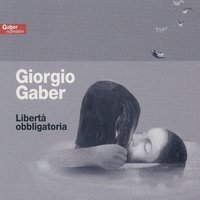
Song information On this page you can read the lyrics of the song L'uomo muore , by -Giorgio Gaber
Song from the album: Libertà obbligatoria
In the genre:Поп
Release date:09.05.2011
Song language:Italian
Record label:Carosello
Select which language to translate into:
Write what you think about the lyrics!
Other songs by the artist:
| Name | Year |
|---|---|
| 2006 | |
| 2001 | |
| 2003 | |
| 2013 | |
| 2013 | |
| 2013 | |
| 2018 | |
| 2014 | |
| 2014 | |
| 2013 | |
| 2013 | |
| 2014 | |
| 2014 | |
| 2013 | |
| 2013 | |
| 2013 | |
| 2018 | |
| 2014 | |
| 2014 | |
| 2014 |