| A la taverna del mar (original) | A la taverna del mar (translation) |
|---|---|
| A la taverna del mar hi seu un vell | An old man is sitting in the sea tavern |
| amb el cap blanquinós, deixat anar; | with whitish head, let go; |
| té el diari al davant perquè ningú no li fa companyia. | he has the newspaper in front of him because no one keeps him company. |
| Sap el menyspreu que els ulls tenen pel seu cos, | He knows the contempt his eyes have for his body, |
| sap que el temps ha passat sense cap goig, | he knows that time has passed without any joy, |
| que ja no pot donar l’antiga frescor d’aquella bellesa que tenia. | which can no longer give the old freshness of that beauty it had. |
| És vell, prou que ho sap; | He is old, he knows enough; |
| és vell, prou que ho nota. | it's old enough to notice. |
| És vell, prou que ho sent cada instant que plora. | He’s old enough to feel it every moment he cries. |
| És vell, i té temps, massa temps per a veure-ho. | He’s old, and he has time, too long to see it. |
| Era, era quan era ahir encara. | It was, it was still yesterday. |
| I se’n recorda del seny, el mentider, | And he remembers the common sense, the liar, |
| com el seny que li va fer aquest infern | like the wisdom that this hell made him |
| quan a cada desig li deia «demà tindràs temps encara». | when he said to every wish, "tomorrow you will still have time." |
| I fa memòria del plaer que va frenar, | And he remembers the pleasure that slowed him down, |
| cada albada de goig que es va negar, | every dawn of joy he refused, |
| cada estona perduda que ara li fa escarni del cos llaurat pels anys. | every lost time that now makes him mock the body plowed by the years. |
| A la taverna del mar, hi seu un vell | An old man sits in the sea tavern |
| que, de tant recordar, tant somniar, | that, from so much remembering, so much dreaming, |
| s’ha quedat adormit damunt la taula. | has fallen asleep on the table. |
Translation of the song lyrics A la taverna del mar - Lluís Llach
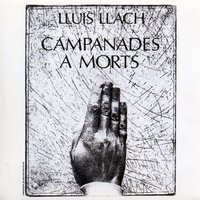
Song information On this page you can read the lyrics of the song A la taverna del mar , by -Lluís Llach
Song from the album: Campanades A Mort
In the genre:Поп
Release date:31.10.2002
Song language:Catalan
Record label:Fonomusic
Select which language to translate into:
Write what you think about the lyrics!
Other songs by the artist:
| Name | Year |
|---|---|
| 2002 | |
| 2002 | |
| 2010 | |
| 2002 | |
| 2002 | |
| 2002 | |
| 2002 | |
| 2002 | |
Venim del nord, venim del sud ft. Feliu Ventura | 2005 |
País petit ft. Feliu Ventura | 2005 |
| 2002 | |
No abarateixis el somni ft. Feliu Ventura | 2005 |
| 2002 | |
| 2002 | |
| 2002 | |
| 2002 | |
| 2002 | |
| 2002 | |
| 2002 | |
| 2002 |