| El Regalo (original) | El Regalo (translation) |
|---|---|
| Tienes algo que interesa | Do you have something that interests you? |
| y lo escondes en la sala de estar. | and you hide it in the living room. |
| Me has traído una sorpresa, | You have brought me a surprise, |
| tú que nunca sabes qué regalar | you never know what to give |
| porque siempre has dejado claro | because you have always made it clear |
| que tengo gustos caros. | that I have expensive tastes. |
| Pero he visto algo envuelto, | But I've seen something wrapped up |
| sabes que ya lo he descubierto. | You know I've already figured it out. |
| Y tengo remordimientos, | And I have regrets |
| busco ahora porque sé que no estás. | I'm looking now because I know you're not here. |
| Debería estar contento, | I should be happy |
| pero me devora esta ansiedad. | but this anxiety devours me. |
| Así que he abierto tu regalo | So I have opened your present |
| y todo lo que me he encontrado | and everything that I have found |
| es una nota que se explica por sí sola: | is a self-explanatory note: |
| «Es la ocasión para decir | "It is the occasion to say |
| que nunca me has hecho feliz. | that you have never made me happy. |
| Es una forma de conseguir | It is a way to get |
| que dejes de pensar en ti. | stop thinking about you. |
| Tengo razón al admitir | I am right to admit |
| que esto ya no da más de sí. | that this no longer gives of itself. |
| Mañana dejo este país | Tomorrow I leave this country |
| que como tú solías decir … | as you used to say... |
| es el fin». | it's the end". |
Translation of the song lyrics El Regalo - Ellos
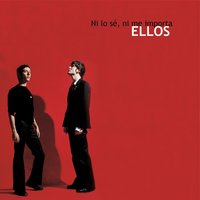
Song information On this page you can read the lyrics of the song El Regalo , by -Ellos
In the genre:Иностранный рок
Release date:08.07.2003
Song language:Spanish
Select which language to translate into:
Write what you think about the lyrics!
Other songs by the artist:
| Name | Year |
|---|---|
| 2003 | |
| 2003 | |
| 2003 | |
| 2003 | |
| 2003 |