| Noit et Dia (original) | Noit et Dia (translation) |
|---|---|
| Por que nos ajamos sempre, noit' e dia | Why do we always act, night and day |
| Dela remenbrança | Her remembrance |
| En Domas achamos que Santa Maria | In Domas we think that Santa Maria |
| Fez gran demonstrança | made a great demonstration |
| En esta cidade, que vos ei ja dita | And this city, which I have been blessed with |
| Ouv' y hua dona de mui santa vida | Ouv' yhua dona of a very holy life |
| Mui fazedor d’algu' e de todo mal quita | Very doer of someone and everything bad |
| Rica e mui nobre e de ben comprida | Rich and very noble and long |
| Mas, por que sabiámos como non queria | But why did we know how we didn't want |
| Do mundo gabança | From the world gabança |
| Como fez digamos hun' albergaria | How did you say hun' albergaria |
| U fillou morança | U fillou morança |
| E ali morand' e muito ben fazendo | And ali morand' is very good doing |
| A toda-las gentes que per y passavan | To all the people who passed by |
| Vo y un monge, segund' eu aprendo | You y un monk, second I learn |
| Que pousou con ela, com' outros pousavan | That landed with her, with' others landed |
| Diss' ela: «Ouçamos u tedes via | She said: «Let's listen to u tedes via |
| Se ides a França.» | You go to France." |
| Diss' el: «Mas cuidamos dereit' a Suria | He said: «But we take care of dereit' a Suria |
| Log' ir sen tardança.» | Log' ir without delay.» |
| Log' enton a dona, chorando dos ollos | Log' enton a dona, crying from the eyes |
| Muito lle rogava que per y tornasse | I often begged him to make it |
| Des que el ouvesse fito-los gollos | As long as he listened to them goals |
| Ant' o San Sepulcro e en el beijasse | Ant' the San Sepulcro e en el kissed |
| «E mais vos rogamos que, sse vos prazia | «Moreover, we beg you, if it pleased you |
| Ha semellança | There is similarity |
| Que dalá vejamos da que sempre guia | That we will see from there which always guides |
| Os seus sen errança.» | Your sins.” |
Translation of the song lyrics Noit et Dia - Qntal
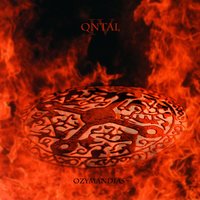
Song information On this page you can read the lyrics of the song Noit et Dia , by -Qntal
Song from the album: Qntal IV – Ozymandias
In the genre:Альтернатива
Release date:31.12.2014
Song language:Portuguese
Record label:Drakkar Entertainment
Select which language to translate into:
Write what you think about the lyrics!
Other songs by the artist:
| Name | Year |
|---|---|
| 2014 | |
| 2014 | |
| 2014 | |
| 2014 | |
| 2014 | |
| 2014 | |
| 2003 | |
| 2003 | |
| 2014 | |
| 2014 | |
| 2003 | |
| 2018 | |
| 1992 | |
| 2003 | |
| 2009 | |
| 2014 | |
| 2018 | |
| 2014 | |
| 2014 | |
| 2014 |