| A Paixão é às Vezes, O Amor é Todos Os Dias (original) | A Paixão é às Vezes, O Amor é Todos Os Dias (translation) |
|---|---|
| O mundo é cheio de pessoas e os dias cheios de infinitos | The world is full of people and the days are full of infinity |
| Mas tão ínfimas as possibilidades de nascer um mito | But so small are the possibilities of a born myth |
| E para fazer por isso | And to do so |
| Podemos tentar tornar o dia do outro mais bonito | We can try to make the other's day more beautiful |
| Ele escolheu começar no dia dos namorados | He chose to start on Valentine's Day |
| Uma rosa e um recado confiando no acaso | A rose and a message trusting chance |
| Mas ela não respondia e algum tempo passado | But she didn't answer and some time passed |
| Na falta de um mais-que-tudo o compromisso foi selado | In the lack of one more-than-everything, the commitment was sealed |
| Com o mundo e se no fundo o amor é quotidiano | With the world and se deep love is everyday |
| Faz sentido que o altar seja o metropolitano | It makes sense that the altar is the metropolitan |
| Todos os dias do ano na última carruagem | Every day of the year in the last carriage |
| Devoto na oferenda uma flor e uma mensagem | Devotee in offering a flower and a message |
| Escrevia como para ela | I wrote to her |
| Em vida paralela e vinha de Santa Apolónia sentado à janela | In parallel life and vine from Santa Apolónia sitting at the window |
| E quando trocava no Marquês para a linha amarela | And when switching at Marquês to yellow line |
| Já trazia uma flor a menos na lapela | I already had one less flower in my lapel |
| E lá estava o seu bilhete pendurado | And there was your note hanging |
| No sinal de alarme como combinado | On alarm signal as agreed |
| Para lembrar a quem passava que o amor é inesperado | To remind passersby that love is unexpected |
| E que, como o perigo, pode estar em todo o lado | And like the danger, it can be everywhere |
| O destino do vagão era o coração | The destination of the wagon was the heart |
| Amadora ou a que ama era a direcção da circulação | Amadora or the who loves was the direction of circulation |
| E cada dia era comprido com dedicação | And each day was long with dedication |
| A rotina que fazia da sua vida uma missão | The routine that made his life a mission |
| E como retribuição ele recebeu respostas | And as retribution he received answers |
| À caixa de correio chegaram muitas propostas | Many proposals arrived at the mailbox |
| Mulheres dispostas a tudo | Women willing to do everything |
| Lisboetas ou do mundo mas que no vagão do fundo sonhavam com futuro inspiradas | People from Lisbon or from the world but who dreamed of a future inspired by |
| no romance | in the novel |
| Sem chance | No way |
| Ele só queria uma e esta não estava ao alcance | He just wanted one and it was not within reach |
| 365 dias depois | 365 days later |
| Depois de 365 poemas e flores | After 365 poems and flowers |
| Chegada ao fim da promessa e despedida | Arrival at the end of the promise and farewell |
| Era a última tulipa, a última missiva | It was the last tulip, the last missive |
| No sinal de alarme na tarde de S. Valentim leu-se | In the alarm signal on the afternoon of S. Valentine, it was read |
| «a paixão é o início, o amor é o fim» | «passion is the beginning, love is the end» |
| E já sem nenhuma esperança que ela lhe respondesse | And without any hope that she would answer him |
| Tingiu de algumas lágrimas esse último bilhete | This last note dyed with some tears |
| Foi de coração cinzento que na manhã seguinte | It was gray in heart that the next morning |
| Tudo foi surpreendente mal saiu do número 20 | Everything was surprising barely out of number 20 |
| Havia flores e frases espalhadas pelas ruas | There were flowers and phrases scattered on the streets |
| Nos postes, nos semáforos, nos carros, nas gruas | On poles, on traffic lights, on cars, on cranes |
| Palavras nas paredes, pétalas por todo o lado | Words on the walls, petals everywhere |
| Poemas e papoilas e RAP a passar na rádio | Poems and poppies and RAP on the radio |
| Ele ia embasbacado no caminho da estação | He was amazed on the way to the station |
| Que passou a primavera com as flores no corrimão | Who spent the spring with the flowers on the handrail |
| E até na bilheteira se davam outros bilhetes | And even at the ticket office, there were other tickets |
| De admiradores secretos do metro nos seus «flirts» | Of secret admirers of the meter in their «flirts» |
| Ele foi descendo a escada na entrada da carruagem | He went down the stairs at the entrance to the carriage |
| Penduradas no alarme: uma flor e uma mensagem | Hanging on the alarm: a flower and a message |
| Pela primeira ele era o destinatário | For the first time, he was the recipient |
| Era o 15 de fevereiro, o seu aniversário | It was February 15, his birthday |
| Cheirou a rosa vermelha enquanto abria a carta | Smelled the red rose while opening the letter |
| «a paixão é uma janela o amor é uma porta «E ao lado estava uma entreaberta | «passion is a window love is a door «And next to it was a half-open |
| E no recado era conhecida a letra | And in the message, the letter was known |
| Espreitou para a cabina e era ela! | He peeked into the cabin and it was her! |
| No lugar do maquinista à sua espera! | In the place of the train driver waiting for you! |
| E ali debaixo da terra com o beijo de cinema disse | And there under the earth with the cinema kiss said |
| «a paixão é uma flor, o amor é um poema» | «passion is a flower, love is a poem» |
| E ali debaixo da terra com o beijo de cinema disse | And there under the earth with the cinema kiss said |
| «a paixão é uma flor, o amor é um poema» | «passion is a flower, love is a poem» |
| Em Lisboa, esta manhã, já partiu, na última carruagem da linha azul já partiu. | In Lisbon this morning he has already left, in the last coach of the blue line he has already left. |
| Mais uma flor, mais uma frase, já partiu o amor | One more flower, one more sentence, love has already left |
Translation of the song lyrics A Paixão é às Vezes, O Amor é Todos Os Dias - Orelha Negra, Capicua
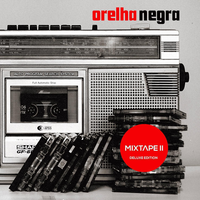
Song information On this page you can read the lyrics of the song A Paixão é às Vezes, O Amor é Todos Os Dias , by -Orelha Negra
Song from the album: Mixtape II
In the genre:Рэп и хип-хоп
Release date:24.03.2013
Song language:Portuguese
Record label:Orelha Negra
Select which language to translate into:
Write what you think about the lyrics!
Other songs by the artist:
| Name | Year |
|---|---|
Alta Volta ft. Azagaia | 2020 |
| 2013 | |
| 2010 | |
Sempre Tu ft. Carlos “Pac” Nobre | 2013 |
| 2010 | |
Heartbreaker ft. Monica Ferraz | 2013 |
Since You've Been Gone - A Memória ft. Orlando Santos | 2011 |
Bastidores ft. Valete, DJ Glue | 2013 |
M.I.R.I.A.M. (Xeg) ft. Hulda | 2011 |
| 2013 | |
| 2011 |