| A História do Samba (original) | A História do Samba (translation) |
|---|---|
| Se querem saber a història do samba | If you want to know the history of samba |
| O samba nasceu numa roda de bamba | The samba was born on a bamboo circle |
| O Chico Navalha foi desacatar | Chico Navalha went to defy |
| O Zé do Pandeiro teve que brigar | Zé do Pandeiro had to fight |
| O Chico Navalha, puxando da dita | O Chico Navalha, pulling from said |
| Partiu para o Zé numa briga esquisita | He left for Zé in a weird fight |
| Na confusão que houve na baiúca | In the confusion that occurred in baiúca |
| Um dizia «Eu te cutuco» | One said «I poke you» |
| O outro «Não cutuca» | The other «Don't poke» |
| Eu te cutuco, não cutuca | I poke you, don't poke |
| Eu te cutuco, não cutuca, eu te cutuco | I poke you, don't poke, I poke you |
| Não cutuca, não | Don't poke, no |
| Eu te cutuco, não cutuca | I poke you, don't poke |
| Eu te cutuco, não cutuca | I poke you, don't poke |
| Me cutuca que eu te taco a mão | Poke me and I'll hit you with my hand |
| A briga acabou, notícia correu | The fight is over, news got out |
| Pra vir pra cidade do morro desceu | To come to the city of the hill, he went down |
| E foi se espalhando, entrou no salão | And it was spreading, it entered the salon |
| No ritmo quente dessa marcação | In the hot rhythm of this marking |
| E agora se escuta em todo país | And now you can hear it all over the country |
| O povo que canta, contente e fliz | The people who sing, happy and happy |
| No carnaval, que coisa maluca | At carnival, what a crazy thing |
| Os tamborins no te cutuco, não cutuca | The tambourines in your poke, don't poke |
Translation of the song lyrics A História do Samba - Joyce
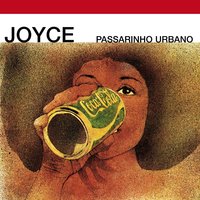
Song information On this page you can read the lyrics of the song A História do Samba , by -Joyce
Song from the album: Passarinho Urbano
In the genre:Джаз
Release date:24.04.2003
Song language:Portuguese
Record label:New Jazz People, Stampa Alternativa
Select which language to translate into:
Write what you think about the lyrics!
Other songs by the artist:
| Name | Year |
|---|---|
| 2009 | |
Las Luces del Norte ft. Los Ladrones | 2001 |
| 2000 | |
| 2002 | |
| 1996 | |
| 2009 | |
| 2009 | |
| 2009 | |
| 2006 | |
| 2001 | |
Insensatez ft. Joyce | 2003 |
Samba de Silvia ft. Elza Soares, Joyce Moreno | 2001 |
| 2006 | |
Retrato Em Branco e Preto ft. Gilson Peranzzetta | 2003 |
| 2009 | |
| 2003 | |
| 2009 | |
| 2004 | |
| 2006 | |
| 2012 |