| Polo Doliente (original) | Polo Doliente (translation) |
|---|---|
| Aquí viene el muerto de Marigüitar | Here comes the dead man from Marigüitar |
| cuatro pescadores lo van a enterrar | four fishermen are going to bury him |
| cuatro pescadores lo van a enterrar | four fishermen are going to bury him |
| aquí viene el muerto de Marigüitar. | Here comes the dead man from Marigüitar. |
| Nació en un puerto, murió en el mar | He was born in a port, he died at sea |
| y se llamaba Juan Salazar. | and his name was Juan Salazar. |
| Anoche, anoche salió a pescar | Last night, last night he went fishing |
| cantando anoche se dio a la mar. | singing last night he went to sea. |
| Partió cantando y al aclarar | He left singing and when clarifying |
| volvía muerto Juan Salazar. | Juan Salazar returned dead. |
| Lo amortajaron los del lugar | The locals shrouded him |
| con su franela de parrandear. | with his party flannel. |
| Anoche, anoche salió a pescar, | Last night, last night he went fishing, |
| cantando anoche se dio a la mar. | singing last night he went to sea. |
| Y ya lo llevan a sepultar | And they already take him to bury |
| en una caja sin cepillar. | in a box without brushing. |
| Muda la gente lo ve pasar | Change the people see it pass |
| luego se quedan mirando el mar. | then they stare at the sea. |
| Como un abrazo sin terminar | Like an unfinished hug |
| quedan los remos en altamar. | the oars remain at sea. |
| Anoche, anoche salió a pescar | Last night, last night he went fishing |
| cantando anoche se dio a la mar. | Singing last night he took to the sea. |
Translation of the song lyrics Polo Doliente - Inti-Illimani
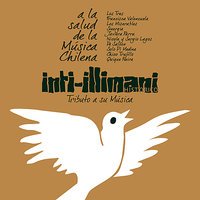
Song information On this page you can read the lyrics of the song Polo Doliente , by -Inti-Illimani
Song from the album: Inti-Illimani, Tributo A Su Música - A La Salud de la Música Chilena
In the genre:Латиноамериканская музыка
Release date:29.05.2009
Song language:Spanish
Record label:FERIA MUSIC S.A
Select which language to translate into:
Write what you think about the lyrics!
Other songs by the artist:
| Name | Year |
|---|---|
| 1973 | |
| 2009 | |
| 2018 | |
| 2009 | |
She ft. Holly Near | 2011 |
We're Not Alone ft. Holly Near | 2011 |
Tinku ft. Holly Near | 2011 |
El Arado ft. Holly Near | 2011 |
Sing To Me The Dream ft. Holly Near | 2011 |
Watch Out ft. Holly Near | 2011 |
Gracias A La Vida ft. Holly Near | 2011 |
Samba Lando ft. Holly Near | 2011 |
La Pajita ft. Holly Near | 2011 |
| 2000 | |
| 2005 | |
| 2005 | |
| 2009 | |
| 2009 | |
| 2009 | |
| 2009 |