| Interlude (original) | Interlude (translation) |
|---|---|
| -Pasalo Killa, cabrón, ¿tú no va' a fumar? | -Pass it Killa, bastard, aren't you going to smoke? |
| -No papi, ¿qué paso? | -No daddy, what happened? |
| -Mera cabrón, ¿yo te conta’o la historia de Cristian?, cabrón | -Mera bastard, did I tell you the story of Cristian?, bastard |
| -No | -Do not |
| -Cabrón, pero, mera cabrón | - Bastard, but, mere bastard |
| -Cristian era un chamaco que vivía en la parte atrás de casa ahí donde vive | -Cristian was a boy who lived in the back of the house where he lives |
| Silvia | Silvia |
| -No | -Do not |
| -Ahí atrás cabrón | -back there bastard |
| -Este… | -East… |
| -Y él tenia una vida cotidiana, ¿tú sabes lo que es una vida cotidiana? | -And he had a daily life, do you know what a daily life is? |
| -¿Cómo así? | -In that way? |
| -Cabrón una vida cotidiana es… una persona oite' que… que normal, | -You bastard, everyday life is… a person oite' that… that normal, |
| que lleva to’a su vida normal, este, en frecuencia, trabajo, casa, su esposa, | that leads to his normal life of him, this, in frequency, work, house, his wife of him, |
| ese cabrón tenia su esposa | that bastard had his wife |
| -Claro | -Sure |
| -Entonces y… entonces el perdió el trabajo, Killa cabrón, cuando tenia ahí | -Then and… then he lost his job, Killa bastard, when he was there |
| pendiente el baby shower y to' eso | pending the baby shower and all that |
| -Diablo brother | -Devil brother |
| -Si, su esposa estaba preña', pero, luego pa’l caserio y le dijo a los | -Yes, his wife was pregnant, but then he went to the farmhouse and told the |
| muchachos que. | guys what. |
| que si hay algo pa' hacer, cabrón, y normal. | that if there is something to do, bastard, and normal. |
| Entonces los | Then the |
| muchachos le dijeron pues que… lo que había era un palo a un «Bolitero», | So the boys told him that... what he had was a stick to a "Bolitero", |
| algo así, entonces que le dijeron: «Mera, si quiere Cristian anda tú solo, | something like that, then they told him: «Mera, if Cristian wants, you can go alone, |
| es muy poco, no hay muchos chavos ni nada. | It is very little, there are not many kids or anything. |
| Tu sabes como e' las vueltas como | You know how the turns are like |
| son los muchachos, cabrón | it's the boys, motherfucker |
| -Claro | -Sure |
| -Entonces le dieron una pistola y pues Cristian, cabrón, Cristian se fue, | -Then they gave him a gun and then Cristian, bastard, Cristian left, |
| se la fue a jugar, viste cabrón | he went to play it, you saw bastard |
| -Claro | -Sure |
| -Y así monta’o en la camioneta esperando a que… A que el politero saliera, | -And so he got into the truck waiting for... For the policeman to come out, |
| estaba pensando, «Cabrón yo si gano, salgo del problema que tengo», ¿me sigue'? | he was thinking, «You bastard, if I win, I'll get out of the problem I have», will you follow me? |
| -Claro, claro | -Of course, of course |
| -«Pero, si pierdo, lo pierdo todo». | - «But, if I lose, I lose everything». |
| Cabrón y así mismo pasó, Killa cabrón. | You bastard and that's what happened, Killa bastard. |
| Cristian se la jugó, sin querer se le safó la situación de las manos, | Cristian risked it, inadvertently the situation of his hands was lost, |
| mató al tipo | he killed the guy |
| -No | -Do not |
| -Lo agarraron cabrón y perdió todo | -They caught him bastard and he lost everything |
| Cristian era una gran persona con una gran familia, una vida cotidiana. | Cristian was a great person with a great family, a daily life. |
| Las circunstancias de la vida lo llevaron a cometer este gran error, | The circumstances of life led him to make this big mistake, |
| luego del asalto Cristian perdió el control de la situación y mató a la | After the assault, Cristian lost control of the situation and killed the |
| víctima, lo sentenciaron 210 años, luego de eso, le dijo a su esposa que le | victim, they sentenced him to 210 years, after that, he told his wife that he |
| contara a su hijo que él había muerto, pues, no quería que su hijo se atrasara | he told his son that he had died, well, he did not want his son to fall behind |
| viendo a su papá en una prisión. | seeing his father of him in a prison. |
| Ella le escribió por 16 años, cartas que él | She wrote him for 16 years, letters that he |
| nunca respondió. | he never answered. |
| 16 años luego, él decide contestarle la última carta, | 16 years later, he decides to answer her last letter, |
| la última y la primera que contestará, donde ella siempre le contaba sobre | the last and the first that he will answer, where she always told him about |
| ella y sobre el niño, que había crecido y ya era un adolescente, | her and about the boy, who had grown up and was already a teenager, |
| donde le preguntaba las mismas 2 preguntas siempre al final de cada carta. | where he asked her the same 2 questions always at the end of each letter. |
| El niño creció, ¿qué quieres que le cuente de ti? | The boy grew up, what do you want me to tell him about you? |
| Y por favor, ¿si pudiese' | And please, if he could' |
| contarme que pasó esa noche? | tell me what he spent that night? |
| Donde nos dejaste sin nada. | Where you left us with nothing. |
| Y su única | and his only |
| contestación, fue esta canción | answer, it was this song |
Translation of the song lyrics Interlude - Kendo Kaponi
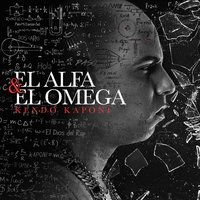
Song information On this page you can read the lyrics of the song Interlude , by -Kendo Kaponi
Song from the album: El Alfa y el Omega
In the genre:Латиноамериканская музыка
Release date:26.04.2018
Song language:Spanish
Record label:OLYMPUS
Age restrictions: 18+
Select which language to translate into:
Write what you think about the lyrics!
Other songs by the artist:
| Name | Year |
|---|---|
| 2020 | |
| 2016 | |
| 2018 | |
| 2017 | |
| 2017 | |
| 2017 | |
| 2015 | |
| 2017 | |
| 2017 | |
| 2017 | |
| 2017 | |
| 2017 | |
| 2017 | |
| 2017 | |
| 2012 | |
Como Los Tiempos de Antes ft. Kendo Kaponi, Bryant Myers, Benny Benni, Bryant Myers, Kendo Kaponi feat. Juanka, Pacho, Amarion, Pouliryc, Endo, C.H. | 2017 |
| 2020 | |
| 2018 | |
| 2018 | |
| 2018 |