| Tichá Noc 1864 (original) | Tichá Noc 1864 (translation) |
|---|---|
| Byl rok 1864. | The year was 1864. |
| Vojska Unie a konfederace spolu válčila v bratrovražedném boji | Union and Confederate troops fought together in a fratricidal battle |
| a úspěch se přikláněl chvíli na tu, chvíli na onu stranu, jako by se Bůh stále | and success leaned for a moment on that, a moment on the other side, as if God still |
| nemohl rozhodnout, | could not decide |
| komu přiřkne vítězství. | to whom he will award victory. |
| Po dlouhých, krvavých bojích | After long, bloody fights |
| se Potomacká armáda generála Meeda | General Meed's Potomac Army |
| setkala s armádou Jihu v severní Virginii, | met the South Army in northern Virginia, |
| v místě zvaném Calais Forn. | in a place called Calais Forn. |
| Obě ležení dělila jen divoká a krásná řeka | Only the wild and beautiful river separated both camps |
| Rappahannock. | Rappahannock. |
| A tak v neustálých přestřelkách zastihl obě armády Štědrý den. | And so, in constant skirmishes, both armies caught Christmas Day. |
| Ten den byl jiný. | That day was different. |
| Něco zvláštního bylo ve vzduchu | Something special was in the air |
| a všichni muži to cítili. | and all the men felt it. |
| Během dne nepadl ani jediný výstřel. | Not a single shot was fired during the day. |
| K slavnostní večeři měli obě armády skoro totéž: | For the gala dinner, both armies had almost the same thing: |
| polévku s pár kousky hovězího a trochu sváteční Whisky. | soup with a few pieces of beef and a little festive whiskey. |
| Snesla se tma, vzplály ohně | Darkness descended, fires broke out |
| a před stany na obou stranách řeky se konaly bohoslužby. | and services were held in front of the tents on either side of the river. |
| A tehdy, tehdy začala kapela 131. indiánského pluku hrát píseň: | And that's when the band of the 131st Indian Regiment began playing the song: |
| «Přistupte blíže, všichni věrní."Jakmile skončila, orchestr Konfederace z druhé | "Come closer, all faithful." Once finished, the Confederate Orchestra of the second |
| strany řeky začal hrát: | sides of the river began to play: |
| «Ať nám Bůh dá veselosti Páně» | "May God give us the joy of the Lord" |
| Bylo to zvláštní. | It was weird. |
| Muži na obou stranách řeky ztichli a poslouchali. | The men on both sides of the river fell silent and listened. |
| A pak začal orchestr armády generála Lee hrát tu nejkrásnější píseň - Tichou | And then General Lee's army orchestra began playing the most beautiful song - Silent |
| noc. | night. |
| A kapela Unie se přidala. | And the band Union has joined. |
| Za hrobového ticha hráli oba orchestry společně jednu | In grave silence, both orchestras played one together |
| píseň. | song. |
| A náhle ve všech srdcích přestalo existovat nepřátelství. | And suddenly hostility ceased to exist in all hearts. |
| Byl Štědrý večer. | It was Christmas Eve. |
| Hudba se linula táborem Jihu i Severu | The music flowed through the camp of the South and the North |
| a hladina řeky odrážela všem stejně svit táborových ohňů. | and the surface of the river reflected the glow of the campfires equally to all. |
| Byla svatá noc. | It was a holy night. |
| A tehdy, právě tehdy, když píseň končila- zazněl výstřel. | And then, just when the song was over, a shot was fired. |
| To jeden jižanský voják se napil Whisky víc, než snesl — a vystřelil přes řeku. | One Southern soldier drank more whiskey than he could bear - and shot across the river. |
| Hornista z kapely Severu klesl k zemi. | The horn player from the band Severu fell to the ground. |
| Chvíli bylo ohromené ticho. | There was a stunned silence for a moment. |
| Které vystřídal zuřivý řev. | Which was replaced by a furious roar. |
| Začala oboustranná střelba | Bilateral firing began |
| a zase bylo hodně mrtvých a raněných. | and again there were many dead and wounded. |
| A bitvy pokračovaly. | And the battles continued. |
| Armáda konfederace pak utrpěla v bojích obrovské ztráty | The Confederate army then suffered huge losses in the fighting |
| a po několika zoufalých a marných bitvách | and after several desperate and futile battles |
| se vojska Jihu definitivně vzdala. | the troops of the South definitively surrendered. |
| Válka skončila. | The war is over. |
| Já ale vím, že se o výsledku války rozhodlo dřív- | But I know that the outcome of the war was decided earlier. |
| už tehdy o Vánocích roku 1864 na řece Rappahannock | already at Christmas 1864 on the river Rappahannock |
| Od té doby, kdy píseň «Tichá noc"přerušil ten jeden hloupý výstřel, | Ever since the song "Silent Night" interrupted that one stupid shot, |
| se všechno štěstí obrátilo k Jihu zády. | all happiness turned its back on the South. |
| Bůh se na Jih rozlobil. | God was angry with the South. |
| A jak to všechno vím? | And how do I know all this? |
| ----- | ----- |
| To já jsem ten voják, co tenkrát v opilosti střílel. | I'm the soldier who shot drunk then. |
| BŮH MI ODPUSŤ!!! | GOD FORGIVE ME !!! |
Translation of the song lyrics Tichá Noc 1864 - Jakub Smolík, Франц Грубер
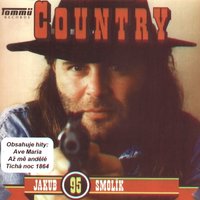
Song information On this page you can read the lyrics of the song Tichá Noc 1864 , by -Jakub Smolík
In the genre:Поп
Release date:28.06.2015
Song language:Czech
Select which language to translate into:
Write what you think about the lyrics!
Other songs by the artist:
| Name | Year |
|---|---|
| 1967 | |
| 2009 | |
| 2015 | |
(Not So) Silent Night ft. Fred Armisen, Франц Грубер | 2019 |
| 1995 | |
| 2010 | |
| 2018 | |
| 1958 | |
| 2013 | |
| 2011 | |
| 2019 | |
| 2008 | |
Silent Night / Live Forever ft. Fred Waring, Франц Грубер | 2017 |
| 2018 | |
| 2007 | |
| 2011 | |
| 2014 | |
| 2013 | |
| 2014 | |
| 2000 |