| História De Pescadores: Canção Da Partida (História Dos Pescadores I) / Adeus Da Esposa / Temporal / Cantiga De Noiva / Velório / Na Manhã Seguinte (original) | História De Pescadores: Canção Da Partida (História Dos Pescadores I) / Adeus Da Esposa / Temporal / Cantiga De Noiva / Velório / Na Manhã Seguinte (translation) |
|---|---|
| Minha jangada vai sair pro mar | My raft will go out to sea |
| Vou trabalhar, meu bem querer | I'm going to work, my dear |
| Se Deus quiser quando eu voltar do mar | If God willing when I come back from the sea |
| Um peixe bom eu vou trazer | A good fish I will bring |
| Meus companheiros também vão voltar | My companions will also return |
| E a Deus do céu vamos agradecer | And to God in heaven let's thank |
| «Minha jangada vai. | «My raft goes. |
| É mais um dia da vida do pescador. | It's another day in a fisherman's life. |
| Mas alguém na terra | But someone on earth |
| espera o pescador. | waits for the fisherman. |
| Ela promete no seu adeus uma reza pra ter bom dengo pra que | She promises in her goodbye a prayer to have good dengo so that |
| ele possa voltar. | he can come back. |
| E promete, na sua volta, uma caminha macia, perfumada de | And she promises, on her return, a soft bed, scented with |
| alecrim. | rosemary. |
| Sabiá moça dos encantos e das seduções de Iemanjá. | Sabiá girl of the charms and seductions of Iemanjá. |
| E sabe mais, | And she knows more, |
| sabe que o mar é traidor.» | she knows the sea is a traitor. » |
| Adeus, adeus | Goodbye goodbye |
| Pescador não esqueça de mim | Fisherman don't forget me |
| Vou rezar pra ter bom tempo, meu nêgo | I'll pray for a good time, my nigga |
| Pra não ter tempo ruim | To not have bad time |
| Vou fazer sua caminha macia | I will make your soft bed |
| Perfumada com alecrim | scented with rosemary |
| «Mas o pescador não é traído pelo sol, nem pelo mar. | «But the fisherman is not betrayed by the sun or the sea. |
| Seu maior inimigo é o | His biggest enemy is |
| vento. | wind. |
| É o vento forte que derruba sua jangada. | It's the strong wind that knocks your raft down. |
| É o vento forte que ondula as | It's the strong wind that waves the |
| águas do mar. | sea water. |
| É o vento forte que mata o homem, que esconde o peixe, | It is the strong wind that kills the man, that hides the fish, |
| que rasga a vela de sua jangada. | that rips the sail from its raft. |
| É o vento forte que faz o temporal. | It's the strong wind that makes the storm. |
| Com tempo desses não se vai pro mar. | In weather like this, you can't go to sea. |
| Quem vai pro mar, não vem.» | Who goes to the sea, does not come.” |
| Pedro! | Pedro! |
| Pedro! | Pedro! |
| Pedro! | Pedro! |
| Chico! | boy! |
| Chico! | boy! |
| Chico! | boy! |
| Nino! | Baby! |
| Nino! | Baby! |
| Nino! | Baby! |
| Zeca! | Zeca! |
| Zeca! | Zeca! |
| Zeca! | Zeca! |
| Cade vocês, ó mãe de Deus? | Where are you, oh mother of God? |
| Eu bem que disse a José! | I well told José! |
| Não vá José! | Don't go Jose! |
| Não vá José! | Don't go Jose! |
| Meu Deus! | My God! |
| Com tempo desses não se sai! | With weather like this, you can't go out! |
| Quem vai pro mar, quem vai pro mar | Who goes to the sea, who goes to the sea |
| Não vem! | Do not come! |
| «Na beira da praia, olhando o céu e o mar, fica os olhos da moça noiva. | «On the edge of the beach, looking at the sky and the sea, are the eyes of the bride. |
| Rosinha de Chica, a mais bonitinha de todas as mocinhas lá do arraial. | Rosinha de Chica, the prettiest of all the girls there in the arraial. |
| E é pensando nela que o pescador vai. | And it is thinking of her that the fisherman goes. |
| É pelo seu amor que ele tem coragem no | It is for her love that he has courage in |
| peito.» | chest." |
| É tão triste ver partir alguém | It's so sad to see someone go |
| Que a gente quer com tanto amor | That we want with so much love |
| E suportar a agonia | And endure the agony |
| De esperar voltar | of waiting to come back |
| Viver olhando o céu e o mar | Living looking at the sky and the sea |
| A incerteza a torturar | The uncertainty to torture |
| A gente fica só | We are alone |
| Tão só | So alone |
| A gente fica só | We are alone |
| Tão só | So alone |
| É triste esperar | It's sad to wait |
| «O pescador diz que é doce morrer no mar. | «The fisherman says it is sweet to die at sea. |
| A moça noiva, aquela Rosinha de Chica, | The bride, that Rosinha from Chica, |
| foi traída. | was betrayed. |
| Traída por Iemanjá, a rainha do mar, onde o pescador fez sua cama | Betrayed by Iemanjá, the queen of the sea, where the fisherman made his bed |
| de noivo, e a jangada voltou só.» | I got engaged, and the raft came back alone.» |
| Uma incelença | an incelencia |
| Entrou no paraíso | entered paradise |
| Adeus, irmão! | Goodbye, brother! |
| Adeus! | Goodbye! |
| Até o dia de Juízo! | Until Judgment Day! |
| Adeus, irmão! | Goodbye, brother! |
| Adeus! | Goodbye! |
| Até o dia de Juízo | Until Judgment Day |
| «E na manhã seguinte, apesar de tudo, o pescador volta. | «And the next morning, despite everything, the fisherman returns. |
| O mar, peixe, | The sea, fish, |
| as ondas do mar: Tudo é uma nova esperança.» | the waves of the sea: Everything is a new hope.» |
| Minha jangada vai sair pro mar | My raft will go out to sea |
| Vou trabalhar, meu bem querer | I'm going to work, my dear |
| Se Deus quiser quando eu voltar do mar | If God willing when I come back from the sea |
| Um peixe bom eu vou trazer | A good fish I will bring |
| Meus companheiros também vão voltar | My companions will also return |
| E a Deus do céu vamos agradecer | And to God in heaven let's thank |
| «E ele vai. | «And he goes. |
| Com a coragem que lhe dá Rosinha de Chica. | With the courage that Rosinha de Chica gives you. |
| Seduzido, quem sabe, | Seduced, who knows, |
| pelos encantos de Iemanjá, e em busca de peixe bom, se deus quiser.» | by the charms of Iemanjá, and in search for good fish, if God willing.” |
Translation of the song lyrics História De Pescadores: Canção Da Partida (História Dos Pescadores I) / Adeus Da Esposa / Temporal / Cantiga De Noiva / Velório / Na Manhã Seguinte - Dorival Caymmi
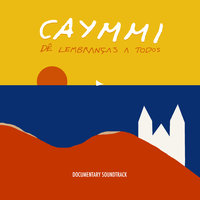
Song information On this page you can read the lyrics of the song História De Pescadores: Canção Da Partida (História Dos Pescadores I) / Adeus Da Esposa / Temporal / Cantiga De Noiva / Velório / Na Manhã Seguinte , by -Dorival Caymmi
Song from the album: Dê Lembranças A Todos
In the genre:Латиноамериканская музыка
Release date:21.11.2018
Song language:Portuguese
Record label:Universal Music
Select which language to translate into:
Write what you think about the lyrics!
Other songs by the artist:
| Name | Year |
|---|---|
| 2017 | |
| 1987 | |
Canção Da Partida ft. Danilo Caymmi, Dorival Caymmi | 1985 |
| 1987 | |
O Mar ft. Leo Peracchi E Sua Orquestra | 2014 |
| 2015 | |
| 1960 | |
| 2015 | |
| 2013 | |
| 2009 | |
| 2014 | |
| 2005 | |
| 2018 | |
| 2000 | |
| 2005 | |
| 2005 | |
| 2009 | |
| 2009 | |
| 2005 | |
| 1991 |