| Old Father Thames |
|---|
| The serpent in the bosom of London |
| The Thames, the serpent in the bosom of London |
| The Thames, the serpent in the bosom of London begins in one or more boggy |
| fields in Gloucestershire and ends in Southend at the crowstone: |
| an obelisk set in the sands to mark the boundry of the port of London |
| Authority. |
| Less imposing and considerably younger than Cleopatra’s needle near |
| the Waterloo Bridge, it still bears an uncanny snse of history as the tide gos |
| out, revealing it like a spire from Atlantis or the corpse city of R’lyeh |
| The serpent in the bosom of London |
| The Thames, the serpent in the bosom of London |
| The Thames, the serpent in the bosom of London |
| The Thames, the serpent in the bosom of London |
| In 1820 Fredrick Marryat captained HMS Rosario for the purpose of bringing the |
| news back to Britain of Napoleon’s death-in-exile on St. Helena. |
| A respected sailor and author, he later wrote about Thomas Saunders, |
| a fictional and archetypal mudlark and his life on the Thames, from digging up |
| coins and scraps on the river’s foreshore to becoming a pilot navigating |
| trading vessels through the labyrinthine docks and mudflats. |
| Marryat was |
| running against tide though. |
| The Victorian artist were more fascinated in a |
| river that brought death rather than life. |
| The medieval «Winchester Geese» |
| continued to haunt the river. |
| G. F. Watts painted «Found Drowned», |
| John Everett Millais painted «Bridge of Sighs» sharing it’s title with Thomas |
| Hood’s poem. |
| All were artistic reactions to the working girls, brought low by |
| disease, pregnancy or despondency, who were found floating dead in the river |
| downstream from the Old Dock Bridge |
| The Thames, the serpent in the bosom of London |
Lyrics Old Father Thames - Sol Invictus
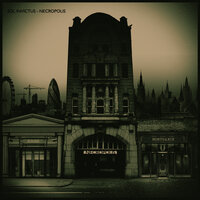
Song information On this page you can read the lyrics of the song Old Father Thames , by -Sol Invictus
In the genre:Инди
Release date:22.03.2018
Song language:English
Select which language to translate into:
Write what you think about the lyrics!
Other songs by the artist:
| Name | Year |
|---|---|
| 1995 | |
| 1994 | |
| 1988 | |
| 1988 | |
| 1995 | |
| 1993 | |
| 1995 | |
| 1995 | |
| 1988 | |
| 1995 | |
| 1990 | |
| 1995 | |
| 1995 | |
| 1988 | |
| 1990 | |
| 1994 | |
| 1995 | |
| 2002 | |
| 1988 | |
| 1994 |