| Le nozze di Figaro, K. 492: Recitativo: "Nel padiglione a manca" (original) | Le nozze di Figaro, K. 492: Recitativo: "Nel padiglione a manca" (translation) |
|---|---|
| SCENA V Folto giardino con due nicchie parallele praticabili. | SCENE V Large garden with two practicable parallel niches. |
| Barbarina sola con alcune frutta e ciambelle. | Barbarina alone with some fruit and donuts. |
| Recitativo | Recitative |
| BARBARINA | BARBARINA |
| Nel padiglione a manca: ei così disse: | In the left pavilion: he said so: |
| è questo … è questo… e poi se non venisse! | it is this ... it is this ... and then if it did not come! |
| Oh ve' che brava gente! | Oh, what good people! |
| A stento darmi | Hardly give me |
| un arancio, una pera, e una ciambella. | an orange, a pear, and a donut. |
| Per chi madamigella? | For whom madamigella? |
| Oh, per qualcun, signori: | Oh, for some, gentlemen: |
| già lo sappiam: ebbene; | we already know: well; |
| il padron l’odia, ed io gli voglio bene, | the master hates him, and I love him, |
| però costommi un bacio, e cosa importa, | but cost me a kiss, and what does it matter, |
| forse qualcun me’l renderà… son morta. | maybe someone will make it to me ... I'm dead. |
| (fugge impaurita ed entra nella nicchia a manca) | she (she runs away in fear and enters the niche to the left) |
| SCENA VI | SCENE VI |
| Figaro con mantello e lanternino notturno, | Figaro with cloak and nocturnal lantern, |
| poi Basilio, Bartolo e truppa di lavoratori | then Basilio, Bartolo and a troop of workers |
| FIGARO | FIGARO |
| È Barbarina… chi va là? | It's Barbarina ... who goes there? |
| BASILIO | BASILIO |
| Son quelli | Those are the ones |
| che invitasti a venir. | that you invited to come. |
| BARTOLO | BARTOLO |
| (a Figaro) | (to Figaro) |
| Che brutto ceffo! | What a bad guy! |
| Sembri un cospirator. | You look like a conspirator. |
| Che diamin sono | What the heck are they |
| quegli infausti apparati? | those inauspicious apparatuses? |
| FIGARO | FIGARO |
| Lo vedrete tra poco. | You will see it shortly. |
| In questo loco | On this spot |
| celebrerem la festa | we will celebrate the party |
| della mia sposa onesta | of my honest bride |
| e del feudal signor… | and of the feudal mister ... |
| BASILIO | BASILIO |
| Ah, buono, buono, | Ah, good, good, |
| capisco come egli è, | I understand how he is, |
| (Accordati si son senza di me.) | (Agree they are without me.) |
| FIGARO | FIGARO |
| Voi da questi contorni | You from these outlines |
| non vi scostate; | do not depart; |
| intanto | in the meantime |
| io vado a dar certi ordini, | I'm going to give certain orders, |
| e torno in pochi istanti. | and I'll be back in a few moments. |
| A un fischio mio correte tutti quanti. | At my whistle, all of you run. |
| (Partono tutti eccettuati Bartolo e Basilio.) | (All leave except Bartolo and Basilio.) |
| SCENA VII | SCENE VII |
| Basilio e Bartolo | Basilio and Bartolo |
| BASILIO | BASILIO |
| Ha i diavoli nel corpo. | He has devils in his body. |
| BARTOLO | BARTOLO |
| Ma cosa nacque? | But what was born? |
| BASILIO | BASILIO |
| Nulla. | Nothing. |
| Susanna piace al Conte; | Susanna pleases the Count; |
| ella d’accordo | she agrees |
| gli die' un appuntamento | she gave him an appointment |
| che a Figaro non piace. | which Figaro does not like. |
| BARTOLO | BARTOLO |
| E che, dunque dovria soffrirlo in pace? | And what, then, will he have to suffer it in peace? |
| BASILIO | BASILIO |
| Quel che soffrono tanti | What so many suffer |
| ei soffrir non potrebbe? | and could it not suffer? |
| E poi sentite, | And then listen, |
| che guadagno può far? | what gain can he make? |
| Nel mondo, amico, | In the world, friend, |
| l’accozzarla co' grandi | mingling it with the big ones |
| fu pericolo ognora: | she was always in danger: |
| dan novanta per cento e han vinto ancora. | they gave ninety percent and they won again. |
Translation of the song lyrics Le nozze di Figaro, K. 492: Recitativo: "Nel padiglione a manca" - Zubin Mehta, Вольфганг Амадей Моцарт
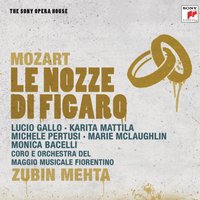
Song information On this page you can read the lyrics of the song Le nozze di Figaro, K. 492: Recitativo: "Nel padiglione a manca" , by -Zubin Mehta
In the genre:Шедевры мировой классики
Release date:16.07.2009
Song language:Italian
Select which language to translate into:
Write what you think about the lyrics!
Other songs by the artist:
| Name | Year |
|---|---|
| 2020 | |
Спи моя радость усни ft. Вольфганг Амадей Моцарт, Bernhard Flies | 2019 |
| 2013 | |
| 2020 | |
| 1984 | |
| 2012 | |
| 2020 | |
| 2012 | |
| 2013 | |
| 2020 | |
| 2020 | |
| 2013 | |
| 2020 | |
| 1997 | |
| 2006 | |
| 1972 | |
| 2013 | |
| 2020 | |
| 2020 | |
| 1984 |