| No (original) | No (translation) |
|---|---|
| Un día | One day |
| De ventana abierta | open window |
| Mi vecino vino a verme | my neighbor came to see me |
| Estaba lleno de desilusión | He was full of disappointment |
| Me miró en los ojos | He looked me in the eyes |
| Y me dijo | and he told me |
| Ya dijimos No, pero el Si está en todo | We already said No, but the Yes he is in everything |
| Lo de adentro y de afuera | The inside and outside |
| Lo de lejos y de cerca | The far and near |
| Lo que todos hemos visto | What we have all seen |
| Y lo que ni siquiera dicen | And what they don't even say |
| Ya dijimos No | We already said no |
| Y fue ese día | and it was that day |
| Que yo me ví | that I saw myself |
| A mi mismo | To myself |
| En veinte años | in twenty years |
| Y nada cambia | and nothing changes |
| No nada cambia | not nothing changes |
| Y nada cambia | and nothing changes |
| No nada cambia | not nothing changes |
| Por estos lados | around these sides |
| Por estos lados | around these sides |
| Por otro lados | on the other side |
| Por estos lados | around these sides |
| No hay que ver el futuro para saber lo que va a pasar | You don't have to see the future to know what will happen |
| No hay que ver el futuro para saber lo que va a pasar | You don't have to see the future to know what will happen |
| No hay que ver el futuro para saber lo que va a pasar | You don't have to see the future to know what will happen |
| A pasar | To pass |
| A pasar | To pass |
| A pasar | To pass |
| A pasar | To pass |
| A pasar | To pass |
| A pasar | To pass |
| A pasar | To pass |
| Ya dijimos No, pero el Si está en todo | We already said No, but the Yes is in everything |
| Lo de adentro y de afuera | The inside and outside |
| Lo de lejos y de cerca | The far and near |
| Lo que todos hemos visto | What we have all seen |
| Y lo que ni siquiera dicen | And what they don't even say |
| Ya dijimos No, pero el Si está en todo | We already said No, but the Yes is in everything |
| Todo lo que hay | all there is |
| No hay que ver el futuro para saber lo que va a pasar | You don't have to see the future to know what will happen |
| No hay que ver el futuro para saber lo que va a pasar | You don't have to see the future to know what will happen |
| No hay que ver el futuro para saber lo que va a pasar | You don't have to see the future to know what will happen |
| A pasar | To pass |
| A pasar | To pass |
| Quédate contra el muro. | Stay against the wall. |
| Ponte contra el muro. | Stand against the wall. |
| Anda para allá y cuenta otro. | Go over there and tell another. |
| El que a ti te guste, cuenta un cuento lindo | Whoever you like, tells a beautiful story |
| Había una vez un pajarito que estaba volando. | Once upon a time there was a little bird that was flying. |
| Y ahí, había un señor con una | And there was a man with a |
| pistola muy grande e hizo así | very big gun and did like this |
Translation of the song lyrics No - Nicolás Jaar
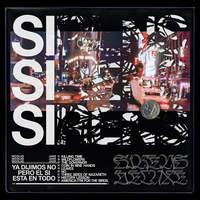
Song information On this page you can read the lyrics of the song No , by -Nicolás Jaar
Song from the album: Sirens
Release date:07.12.2017
Song language:Spanish
Record label:Other People
Select which language to translate into:
Write what you think about the lyrics!
Other songs by the artist:
| Name | Year |
|---|---|
| 2010 | |
| 2009 | |
| 2010 | |
| 2013 | |
| 2010 | |
| 2017 | |
| 2017 | |
| 2017 | |
| 2017 | |
| 2020 | |
| 2017 | |
| 2010 | |
| 2016 | |
| 2010 | |
| 2017 | |
| 2017 | |
| 2020 | |
| 2017 | |
| 2013 | |
| 2020 |