| Ecos do alén (original) | Ecos do alén (translation) |
|---|---|
| Hai un rumor que move o vento no ar Que encolle a ialma cando o sintes | There is a rumor that move or wind will not entangle soul when or synth |
| Hai un rumor que sabe a terra e a sal | There is a rumor that tastes like land and salt |
| Que aínda ten voz na que habitar | That you still have a voice to inhabit |
| E algún rapaz teimando por preguntar | And some raptor afraid to ask |
| Descubrirá que hai mil historias | He will discover that there are a thousand stories |
| Nos ollos calmos de quen soubo gardar | We calm pots of quen soubo gardar |
| Ecos do alén | Echoes of Alén |
| Na súa voz | in your voice |
| Está por destecer | is about to fade |
| En cada frase un cantar | In each phrase a song |
| Do que xa foi, do que ha de ser | Do what xa foi, do what has to be |
| Na súa voz | in your voice |
| Quedou sen esquecer | I was left unaware |
| Do tempo un maino alalá | Do tempo un maino alala |
| Na súa voz | in your voice |
| Non hai silencios si te vexo tentar | There are no silences if I tempt you |
| Coller na man o mundo enteiro | Necklace na man o whole world |
| E así comenzan no teu berce a nevar | And so they begin not to berce to snow |
| As verbas que deixa un ronsel | As verbs that leave a ronsel |
| Antigas lendas da montaña e do mar | Ancient legends of the mountains and the sea |
| E contos nados na lareira | E nados na lareira |
| Van debuxando frente a ti, devagar | They go debuxing in front of you, wander |
| Ecos do alén | Echoes of Alén |
| Na túa voz | in your voice |
| A luz ha se prender | A light has been turned on |
| Mostrando as sombras que fan | Showing as shades that fan |
| Saber que hai máis do que outros ven | Know that there is more than others see |
| Na túa voz | in your voice |
| Vieiros ancestrais | ancient scallops |
| Terán alento, meu ben | They will have breath, meu ben |
| Na túa voz | in your voice |
Translation of the song lyrics Ecos do alén - Luar Na Lubre
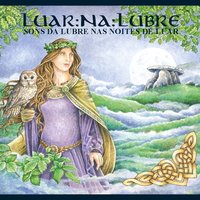
Song information On this page you can read the lyrics of the song Ecos do alén , by -Luar Na Lubre
Song from the album: Sons da lubre nas noites de Luar
In the genre:Поп
Release date:05.11.2012
Song language:Spanish
Record label:Warner Music Spain
Select which language to translate into:
Song tags:
#Ecos do alen
Write what you think about the lyrics!
Other songs by the artist:
| Name | Year |
|---|---|
| 2016 | |
| 1999 | |
| 1999 | |
| 2012 | |
| 1999 | |
| 2012 | |
| 2004 | |
| 1999 | |
| 2007 | |
| 2012 | |
| 2018 | |
| 2007 | |
| 2012 | |
| 2014 | |
| 2014 | |
| 2016 | |
| 2014 | |
| 2012 | |
| 2016 | |
| 2007 |