| Капитан Воронин (original) | Капитан Воронин (translation) |
|---|---|
| Когда отряд въехал в город, было время людской доброты | When the detachment entered the city, there was a time of human kindness |
| Население ушло в отпуск, на площади томились цветы. | The population went on vacation, flowers languished in the square. |
| Все было неестественно мирно, как в кино, когда ждет западня. | Everything was unnaturally peaceful, like in a movie when a trap awaits. |
| Часы на башне давно били полдень какого-то прошедшего дня. | The clock on the tower had long struck noon of some past day. |
| Капитан Воронин жевал травинку и задумчиво смотрел вокруг. | Captain Voronin chewed a blade of grass and looked around thoughtfully. |
| Он знал, что все видят отраженье в стекле и все слышат неестественный стук. | He knew that everyone sees the reflection in the glass and everyone hears an unnatural knock. |
| Но люди верили ему, как отцу, они знали, кто все должен решить. | But people believed him as a father, they knew who should decide everything. |
| Он был известен как тот, кто никогда не спешил, | He was known as the one who never rushed |
| Когда некуда больше спешить | When there's nowhere else to rush |
| Я помню, кто вызвался идти первым, я скажу вам их имена: | I remember who volunteered to go first, I'll tell you their names: |
| Матрос Егор Трубников и индеец Острие Бревна | Sailor Yegor Trubnikov and the Indian Point of the Log |
| Третий был без имени, но со стажем в полторы тыщи лет | The third was without a name, but with an experience of one and a half thousand years |
| И прищурившись, как Клинт Иствуд, | And squinting like Clint Eastwood |
| Капитан Воронин смотрел им вслед | Captain Voronin looked after them |
| Ждать пришлось недолго, не дольше, чем зимой ждать весны — | I had to wait not long, no longer than waiting for spring in winter - |
| Плохие новости скачут как блохи, а хорошие и так ясны | Bad news jumps like fleas, but good news is clear |
| И когда показалось облако пыли — там, где расступались дома, | And when a cloud of dust appeared - where the houses parted, |
| Дед Василий сказал, до конца охренев: «Наконец-то мы сошли с ума!» | Grandfather Vasily said, completely fucked up: “Finally, we have gone crazy!” |
| Приехавший соскочил с коня, пошатнулся и упал назад | The visitor jumped off his horse, staggered and fell back |
| Его подвели к капитану, и вдруг стало видно, что Воронин был рад | He was brought to the captain, and suddenly it became clear that Voronin was glad |
| И приехавший сказал: | And the visitor said: |
| «О том, что я видел, я мог бы говорить целый год, | “I could talk about what I saw for a whole year, |
| Суть в том, что никто, кроме нас, не знал, | The bottom line is that no one but us knew |
| Где здесь выход, и даже мы не знали, где вход». | Where is the exit here, and even we didn't know where the entrance was." |
| На каждого, кто пляшет русалочьи пляски, есть тот, кто идет по воде. | For everyone who dances mermaid dances, there is one who walks on water. |
| Каждый человек — он дерево, он отсюда и больше нигде, | Every person is a tree, he is from here and nowhere else, |
| А если дерево растет, то оно растет вверх, | And if a tree grows, then it grows up, |
| И никто не волен это менять, | And no one is free to change it, |
| Луна и солнце не враждуют на небе, и теперь я могу их понять. | The moon and the sun do not quarrel in the sky, and now I can understand them. |
| Наверно, только птицы в небе и рыбы в море знают, кто прав, | Probably only the birds in the sky and the fish in the sea know who is right, |
| Но мы знаем, что о главном не пишут в газетах, | But we know that the main thing is not written in the newspapers, |
| И о главном молчит телеграф | And the telegraph is silent about the main thing |
| И может быть, город назывался Маль-Пасо, | And maybe the city was called Mal Paso |
| А может быть — Матренин Посад, | Or maybe Matrenin Posad, |
| Но из тех, кто попадал туда, еще никто не возвращался назад | But of those who got there, no one has yet returned back. |
| Так что нет причин плакать, нет повода для грустных дум: | So there is no reason to cry, there is no reason for sad thoughts: |
| Теперь нас может спасти только сердце, | Now only the heart can save us |
| Потому что нас уже не спас ум, | Because the mind has not saved us, |
| А сердцу нужны и небо и корни, оно не может жить в пустоте | And the heart needs both the sky and the roots, it cannot live in emptiness |
| Как сказал один мальчик, случайно бывший при этом: | As one boy, who happened to be at the same time, said: |
| «Отныне все мы будем не те». | "From now on, we will all be different." |
Translation of the song lyrics Капитан Воронин - Аквариум
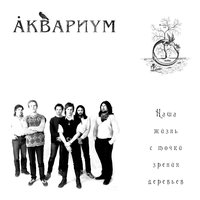
Song information On this page you can read the lyrics of the song Капитан Воронин , by -Аквариум
Song from the album: Наша жизнь с точки зрения деревьев
In the genre:Русский рок
Release date:16.08.2010
Song language:Russian language
Record label:Б.Г
Select which language to translate into:
Write what you think about the lyrics!
Other songs by the artist:
| Name | Year |
|---|---|
| 1985 | |
| 2015 | |
| 1981 | |
| 2015 | |
| 1985 | |
| 2017 | |
| 1981 | |
| 2001 | |
| 2015 | |
| 2004 | |
| 2015 | |
| 2015 | |
| 1981 | |
| 2015 | |
| 2020 | |
| 2002 | |
| 2015 | |
| 1981 | |
| 2015 | |
| 2011 |