| Art of Conflict |
|---|
| The art of war is of vital importance to the state |
| it is a matter of life and death |
| a road either to safety, or to ruin. |
| Divide and conquer in all your battles is not supreme excellence. |
| Supreme excellence consists of breaking the enemies' resistance without having |
| to fight. |
| If you know the enemy and know yourself your victory will not stand in doubt. |
| If you know heaven, and you know earth, you may make your victory. |
| If you know the enemy and you know yourself, you need not fear the results of |
| 100 battles, |
| if you know yourself, but not the enemy, for every victory gained, |
| you will also suffer defeat. |
| If you know neither the enemy, nor yourself, you will succumb in every battle. |
| Treat your soldiers as your beloved children, and they will follow you into the |
| deepest valleys. |
| To defeat your enemy, you must pretend inferiority, and encourage your enemies |
| arrogance. |
| Making no mistakes is what establishes the certainty of victory. |
| For it means conquering an enemy that is already defeated. |
| There is no instance of a nation benefiting from prolonged warfare. |
| Speed is the essence of war. |
| The art of war teaches us to rely not on the likelihood of the enemies not |
| coming, |
| but on our own readiness to receive our enemy. |
| Not on the chance of our enemies not attacking, but rather on the fact that we |
| have made our position unassailable. |
| The general who advances without seeking fame, and who retreats without fear of |
| disgrace; |
| whose only thought is to protect his country, and to service for his |
| sovereign, is the jewel of his kingdom. |
| The victorious strategist only seeks battle after the victory has been won; |
| Whereas he who is destined for defeat, first fights then afterwards looks for |
| victory. |
| Speed is the essence of war. |
| Only he who is thoroughly acquainted with the evils of war can thoroughly |
| understand how to profit from waging war. |
Lyrics Art of Conflict - VNV Nation
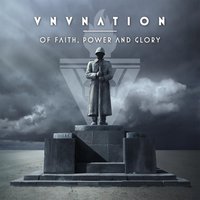
Song information On this page you can read the lyrics of the song Art of Conflict , by -VNV Nation
In the genre:Электроника
Release date:22.06.2015
Song language:English
Select which language to translate into:
Write what you think about the lyrics!
Other songs by the artist:
| Name | Year |
|---|---|
| 2007 | |
| 2018 | |
| 2011 | |
| 2013 | |
| 2011 | |
| 2018 | |
| 2011 | |
| 2018 | |
| 2013 | |
| 2018 | |
| 2017 | |
| 2018 | |
Sinéad ft. VNV Nation | 2011 |
| 2018 | |
| 2013 | |
| 2005 | |
| 2009 | |
| 2018 | |
| 2018 | |
| 2005 |