| Креол (original) | Креол (translation) |
|---|---|
| Храня убогое молчанье | Keeping a wretched silence |
| Над сумраком гниющих вод, | Above the dusk of rotting waters, |
| Он жег костры в ночи печальной | He lit fires in the sad night |
| И полз бессмысленно вперед. | And crawled senselessly forward. |
| Его встречали горделиво | He was greeted proudly |
| Арбитры брошенных дорог. | Arbiters of abandoned roads. |
| Преображались груши в сливы | Pears were transformed into plums |
| И ветер выл свой монолог. | And the wind howled its monologue. |
| О том, что кончились спфиры | About the fact that spfirs have run out |
| И загорелись провода, | And the wires caught fire |
| И охлажденная вода | And chilled water |
| Бросает плащ на локоть мира. | Throws a cloak on the cubit of the world. |
| Свою мечту бранит отшельник, | The hermit scolds his dream, |
| Живущий в ближнем далеке, | Living in the near far, |
| Он надевает старый тельник | He puts on an old vest |
| И спит с расческою в руке. | And sleeps with a comb in his hand. |
| И не торопится обратно, | And don't rush back |
| И ублажает старый дом, | And pleases the old house, |
| Где, убиенный многократно, | Where, killed many times, |
| Поет канцону агроном. | The agronomist sings the canzone. |
| Про ветер, про моря из глины, | About the wind, about the seas of clay, |
| Про праздничный дырявый стол, | About the festive holey table, |
| Где твердокаменный креол | Where is the stone-hard creole |
| Таинственно грызет маслины. | Mysteriously gnaws olives. |
Translation of the song lyrics Креол - Террариум
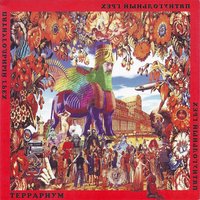
Song information On this page you can read the lyrics of the song Креол , by -Террариум
Song from the album: Пятиугольный Грех
In the genre:Русский рок
Release date:27.05.2000
Song language:Russian language
Record label:Auris
Age restrictions: 18+
Select which language to translate into:
Write what you think about the lyrics!
Other songs by the artist:
| Name | Year |
|---|---|
| 2000 | |
| 2000 | |
| 2000 | |
| 2000 |