| Explanation |
|---|
| I’ve been dealing with these pressures |
| Weighing on my mind |
| Left my vision impaired, I can’t see |
| It feels just like a phosphor |
| The art is locked in my mind |
| Need to get it out now so I can breathe |
| And stop wasting time |
| The most common phosphenes are pressure phosphenes, caused by rubbing or |
| applying pressure on or near the closed eyes. |
| They appear spontaneously only |
| when visual stimuli are lacking and especially when the viewer is subjected to |
| prolonged visual deprivation |
| I’ve been dealing with these pressures |
| Weighing on my mind |
| Left my vision impaired, I can’t see |
| It feels just like a phosphor |
| The art is locked in my mind |
| Need to get it out now so I can breathe |
| And stop wasting time |
| On, weighing on |
| Feels just like a phosphor |
| Weighing on, weighing on me |
| The art is locked in my mind |
| On, weighing on |
| Feels just like a phosphor |
| Weighing on, weighing on me |
| The art is locked in my mind |
| These subjective images resulting from the self-illumination, as it were, |
| of the visual sense are called phosphenes. |
| Because phosphenes originate within |
| the eye and the brain, they are a perceptual phenomenon common to all mankind |
Lyrics Explanation - Sam Gellaitry
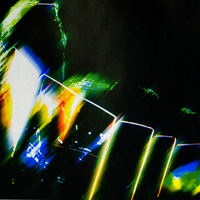
Song information On this page you can read the lyrics of the song Explanation , by -Sam Gellaitry
Song from the album: Viewfinder Vol. 1: PHOSPHENE
In the genre:Электроника
Release date:04.04.2019
Song language:English
Record label:Viewfinder
Select which language to translate into:
Write what you think about the lyrics!
Other songs by the artist:
| Name | Year |
|---|---|
| 2021 | |
| 2015 | |
| 2022 | |
| 2022 | |
| 2019 | |
| 2016 | |
| 2017 |