| The Ferryman |
|---|
| Portitor has horrendus aquas et flumina servat |
| Terribili squalore Charon, cui plurima mento |
| Canities inculta jacet, stant lumina flamma |
| Sordidus ex umeris nodo dependet amictus |
| Ibant obscuri sola sub nocte per umbram |
| Perque domos Ditis vacuas et inania regna |
| Quale per incertam lunam sub luce maligna |
| Est eiter in silvis, ubi caelum condidit umbra |
| Juppiter, et rebus nox abstulit atra colorem |
| «Sic demum lucos Stygis et regna invia vivis aspicies…» |
| «Anchisa generate deum certissimia proles |
| Cocyti stagna alta vides Stygiamque paludem |
| Di cujus jurare timent et fallere numen.» |
| Nec plura his. |
| Ille admirans venerabile donum |
| Fatalis virgae longo post tempore visum |
| Caeruleam advertit puppim ripaeque propinquat |
| Watching over these waves and streams of filth is the |
| Horrible ferryman Charon, on whose chin countless unkept |
| Grey hairs lie outspread; |
| his eyes endure in flame, and |
| A squalid cloak hangs knotted from his shoulders |
| Beneath lonely darkness the gloomy travellers go through shadow |
| And through the deserted abodes and ghostly kingdom of Dis: |
| Through uncertain moonlight under rays of a spiteful sort the way |
| Lies in the woods, where Jupiter hides the sky in shadow and |
| Night steals colour from the black heavens |
| «In this manner you will at last behold the sacred grove of Styx |
| And the kingdom pathless to the living…» |
| «Child of Anchises, most certain prodigy of a god, you will see |
| The deep mere of the mournful river of Hades and the swamp of |
| Styx, whose divine power the gods fear to swear by and prove false.» |
| Nothing more was said. |
| Wondering at the venerable offering of the |
| Fated branch, seen after a distant time, he turned the vessel to |
| The darkness and the shores approached |
Lyrics The Ferryman - maudlin of the Well
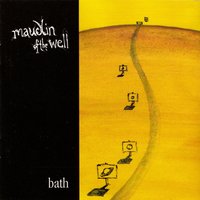
Song information On this page you can read the lyrics of the song The Ferryman , by -maudlin of the Well
Song from the album: "Bath"
In the genre:Прогрессив-метал
Release date:06.08.2011
Song language:English
Record label:Dark Symphonies
Select which language to translate into:
Write what you think about the lyrics!
Other songs by the artist:
| Name | Year |
|---|---|
| 2001 | |
| 2001 | |
| 2011 | |
| 2011 | |
| 2011 | |
| 2011 | |
| 2001 | |
| 2001 | |
| 2011 | |
| 2011 | |
| 2011 | |
| 2001 | |
| 2001 | |
| 2011 |