| A quoi tu sers ? (original) | A quoi tu sers ? (translation) |
|---|---|
| Tu parles, parles, c’est facile, mme sans y penser, | You talk, talk, it's easy, even without thinking about it, |
| Les mots, les mots sont immobiles, tris, rangs, classs. | The words, the words are immobile, sorts, ranks, classes. |
| Laisse allez, laisse les jouer, | Let go, let them play, |
| Se cogner, te sduire, | bump into, seduce you, |
| «sensualiser», te bouger, | "sensualize", move you, |
| Quand a veut plus rien dire. | When a doesn't mean anything anymore. |
| Swinguer les mots, les mots, sans a, | Swing the words, the words, without a, |
| On va les rtrcir. | We'll narrow them down. |
| Swinguer les mots, ne surtout pas | Swing the words, especially don't |
| Toujours les rflchir. | Always think about them. |
| Les mots, l’mo, l’motion vient, | The words, the mo, the emotion comes, |
| Les mots font l’motion, | The words make the emotion, |
| Cote que cote, coute-les bien | Side by side, cost them well |
| Rythmer nos draisons. | Rhythm our reasons. |
| Les sons, les sons, laissons les rires, | The sounds, the sounds, let the laughs, |
| Faut pas les couter, | Do not listen to them, |
| Juste pour viter le prie, | Just to avoid praying, |
| On va les dchainer. | We'll unleash them. |
| A quoi tu sers, Pourquoi t’es l? | What are you for, why are you here? |
| Qu’est-ce que t’espres? | What are you hoping for? |
| a quoi tu crois? | what do you believe? |
| Y’en a qui meurent, qui prient pour un morceau de terre, | There are those who die, who pray for a piece of land, |
| y’en a qui risquent leur vie pour passer la frontire, | there are those who risk their lives to cross the border, |
| Y’en a qui bronzent et d’autres s’font la peau plus claire, | Some tan and others make their skin lighter, |
| Certains s’effraient au fond quand d’autres font des affaires. | Some are scared deep down when others are doing business. |
| Mais y’a toujours la lune qui s’mfie du soleil | But there's always the moon that distrusts the sun |
| Et quand tout a changera, c’est pas demain le veille, | And when everything changes, it's not tomorrow the day before, |
| Certains smatchent ou labourent, d’autres soignes ou bien peignent, | Some smatch or plough, some heal or paint, |
| C’est toi, c’est ton tour, qu’est-ce que t’as dans les veines? | It's you, it's your turn, what's in your veins? |
| A quoi tu sers? | What are you for? |
| Pourquoi t’es fait? | Why did you do it? |
| Terminus terre. | Land terminal. |
| un seul ticket. | one ticket. |
| Y’en a qui grimpent en l’ai pour un peu plpus d’silence, | There are some who climb in the air for a little more silence, |
| Y’en a qui vivent sous terre o a hurle, o a danse, | There are those who live underground where they scream, where they dance, |
| T’en a qui pointent des comptes quand d’autres comptent des points, | You have some who score points when others count points, |
| Y’en a qui lvent des croix pour ceux qui n’y croient pas. | There are those who raise crosses for those who don't believe in them. |
| Y’en a qui pincent des cordes, y’en a qui frappent des peaux, | There are those who pluck strings, there are those who strike skins, |
| Certains «import exportent» ou bien se jouent des mots, | Some "import export" or play with words, |
| Y’en a qui s’font des billes quand d’autres tombent les filles, | There are some who make marbles when others fall girls, |
| Certains ne donnent qu’au hommes, mais d’autres n’aiment personne. | Some give only to men, but others love no one. |
| Mais y’a toujours la lune qui s’mfie du soleil, | But there's always the moon that distrusts the sun, |
| Et quand toiut a changera c’est pas demain la veille, | And when everything changes it's not tomorrow the day before, |
| Y’en a qui courent une vie pour gagner deux diximes, | There are those who run a life to earn two tenths, |
| A psent c’est ton tour qu’est-ce que tu nous amnes? | Now it's your turn what are you bringing us? |
| A quoi tu sers? | What are you for? |
| Pourquoi t’es fait? | Why did you do it? |
| T’as la lumire, et puis aprs? | You have the light, so what? |
Translation of the song lyrics A quoi tu sers ? - Jean-Jacques Goldman
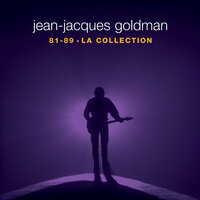
Song information On this page you can read the lyrics of the song A quoi tu sers ? , by -Jean-Jacques Goldman
In the genre:Эстрада
Release date:13.11.2008
Song language:French
Select which language to translate into:
Song tags:
#A Quoi Tu Sers
Write what you think about the lyrics!
Other songs by the artist:
| Name | Year |
|---|---|
| 2011 | |
| 1995 | |
Chanson d'amour ft. Jean-Jacques Goldman, Edith Lefel | 2016 |
| 1998 |