| Stop the City |
|---|
| September the 29th. |
| An idea that had grown and formed to stop the city was to |
| take place |
| A carnival in the streets, a protest against the companies and their new |
| financed war, an occupation to stop people at theirs |
| Peaceful blockades, a traffic free zone |
| So what actually happened? |
| The walls and pavements were adorned with colored chalks, slogans, |
| and symbols that probably meant little to the city gents |
| Some blockades were formed and removed. |
| There was conversation with city folk |
| and some music made |
| But many arrests angered the free, some carried out by brutal police without |
| their identification numbers |
| All day people rallied with banks as the starting point |
| A macing at the guild hall turned into a strong defiant sharp force that |
| marched though the streets past the bank of England to the stock exchange, |
| while loud chanting echoed around the tall buildings |
| People banged on the doors and windows, siege was laid until the horses arrived. |
| But it was spontaneous, disorganized, except for the whispered word. |
| Confusing the lot |
| The result? |
| The carnival was enjoyed and the city was not stopped. |
| They worked well under siege, even though many visited the carnival out of |
| curiosity |
| The dull day was brightened, but it left no mark |
| The next day most walls had been scrubbed of their graffiti messages |
| But the fact remains; |
| power has been tasted |
| If you try hard enough, things can work |
| If you keep on trying, it will |
Lyrics Stop the City - Conflict
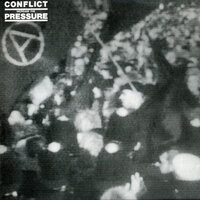
Song information On this page you can read the lyrics of the song Stop the City , by -Conflict
In the genre:Иностранный рок
Release date:31.12.2003
Song language:English
Age restrictions: 18+
Select which language to translate into:
Write what you think about the lyrics!
Other songs by the artist:
| Name | Year |
|---|---|
| 1981 | |
| 2005 | |
| 2005 | |
| 2005 | |
| 2005 | |
| 2005 | |
| 2005 | |
| 2005 | |
| 2005 | |
| 2005 | |
| 1981 | |
| 2003 | |
| 2003 | |
| 2003 | |
| 2003 | |
| 2005 | |
| 2005 | |
| 1981 | |
| 2005 | |
| 1986 |